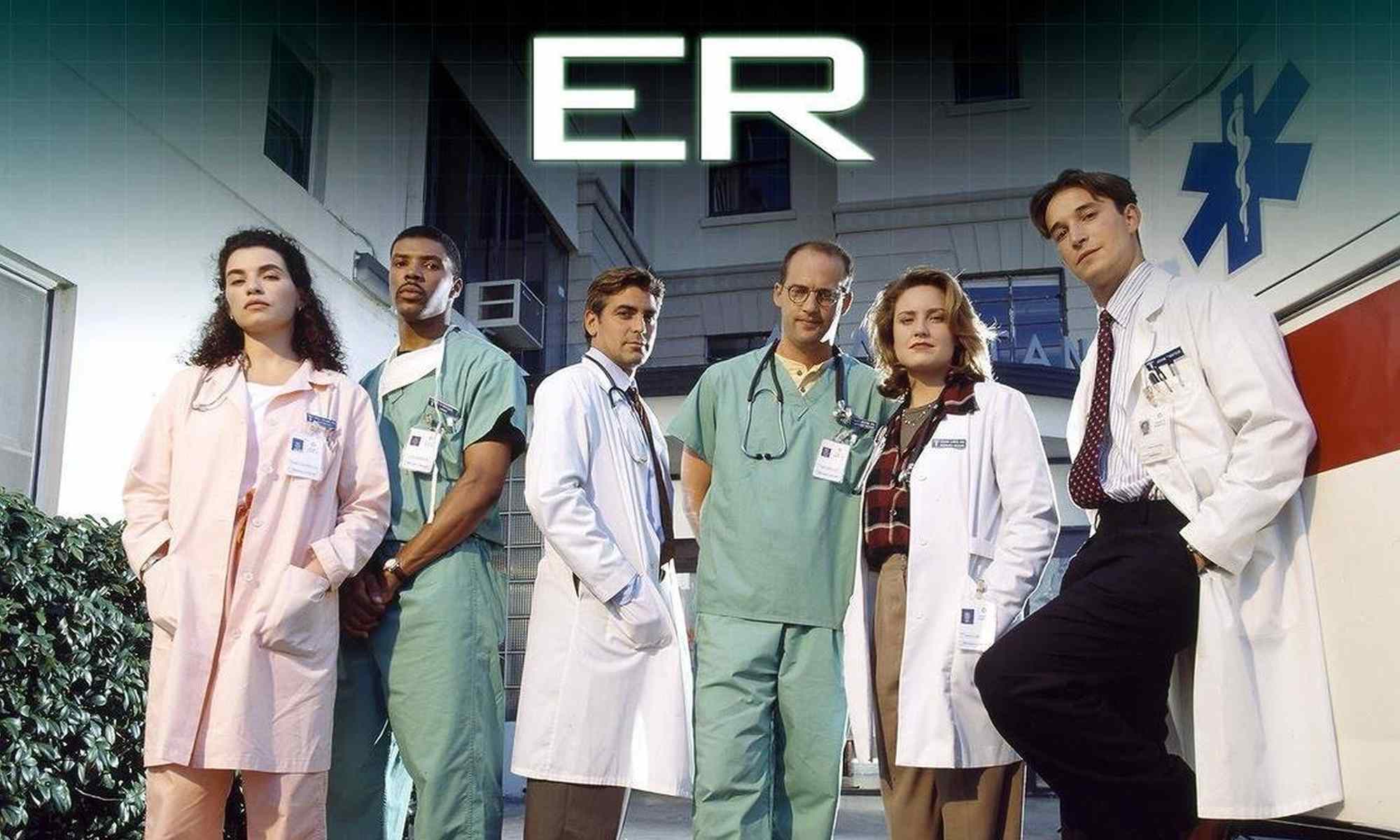
Immortality Techniques

Dr. Luka Kovac on Telomere Restoration and Slowing Aging

As an ER doctor turned regenerative medicine advocate, I’ve seen the human body at its most fragile. But I’ve also studied how resilient it can be—with the right tools. One of the most fascinating breakthroughs in anti-aging science involves telomeres—the protective caps at the ends of our chromosomes that shorten with age, stress, and disease.

When telomeres shorten too much, cells become senescent or die. This is the biological clock of aging. But new evidence suggests we can slow, halt, and even reverse telomere shortening using nutrition, lifestyle, and targeted supplementation.


🧬 What Are Telomeres?

  • Function: Protect chromosome integrity during cell division.
  • Problem: With each cell division, telomeres shorten.
  • Consequence: Short telomeres = aging, inflammation, immune dysfunction, cancer risk.
  • Solution: Support telomerase—the enzyme that rebuilds telomeres.

🌿 How to Restore Telomeres Naturally

1. Nutritional Strategies

🥦 Foods That Protect or Lengthen Telomeres

  • Cruciferous vegetables: Broccoli, kale, Brussels sprouts (detox & anti-inflammatory)
  • Berries: Blueberries, blackberries, raspberries (rich in anthocyanins)
  • Nuts: Especially walnuts and almonds (good fats, polyphenols)
  • Seeds: Chia, flax, pumpkin (omega-3, lignans)
  • Avocados: Healthy fats + glutathione support
  • Green tea: EGCG may enhance telomerase activity
  • Olive oil: Polyphenols, anti-inflammatory, Mediterranean diet benefit
  • Legumes: Lentils, black beans (resistant starch, fiber)
  • Dark chocolate (85%+ cocoa): Rich in flavonoids

2. Telomere-Protecting Herbs and Roots

  • Astragalus membranaceus
    ⮕ Main source of cycloastragenol—a known telomerase activator
    ⮕ Shown to extend telomeres in vitro
  • Rhodiola rosea
    ⮕ Adaptogen; protects mitochondria and may slow telomere attrition
  • Ashwagandha
    ⮕ Reduces cortisol, inflammation (stress is a telomere killer)
  • Turmeric (Curcumin)
    ⮕ Powerful anti-inflammatory, supports healthy gene expression
  • Panax Ginseng
    ⮕ May improve DNA repair and telomerase activity
  • Ginkgo biloba
    ⮕ Improves circulation and antioxidant activity

3. Vitamins and Minerals for Telomere Health

  • Vitamin D3
    ⮕ Low levels linked to shorter telomeres
    ⮕ Aim for serum 50–80 ng/mL
  • Vitamin C & E
    ⮕ Antioxidants protect against oxidative telomere damage
  • Magnesium
    ⮕ Required for DNA replication and repair
  • Zinc
    ⮕ Helps activate telomerase and supports immune function
  • Selenium
    ⮕ Reduces oxidative stress, supports glutathione peroxidase
  • Vitamin B12 + Folate + B6
    ⮕ Reduce homocysteine, improve DNA methylation and repair
  • Omega-3 fatty acids (EPA/DHA)
    ⮕ Strongly associated with slower telomere shortening

4. Supplements That Boost Telomerase

  • TA-65® (Astragalus extract)
    ⮕ Clinically tested telomerase activator
  • NMN or NR (Nicotinamide Mononucleotide / Riboside)
    ⮕ Boost NAD+, support mitochondrial health and SIRT1 activation
  • Resveratrol
    ⮕ Mimics calorie restriction; activates sirtuins, improves telomere maintenance
  • Pterostilbene
    ⮕ More bioavailable cousin of resveratrol
  • CoQ10 / Ubiquinol
    ⮕ Supports mitochondrial energy, protects telomeric DNA

🔬 Lifestyle Changes That Affect Telomere Length

✅ What Helps

  • Exercise: Especially HIIT, brisk walking, and resistance training
  • Sleep: 7–9 hours per night, deep and consistent
  • Intermittent Fasting: May boost telomerase and reduce senescence
  • Meditation & Mindfulness: Stress directly shortens telomeres; meditation can increase telomerase
  • Laughter, Gratitude, Faith: These reduce cortisol and promote regenerative hormones

❌ What Hurts

  • Smoking, alcohol abuse
  • Processed foods, sugars
  • Chronic stress & anxiety
  • Sedentary lifestyle
  • Obesity
  • Poor sleep hygiene

🔄 Can We Reverse Aging?

Current science suggests:
Yes—functionally, if not completely. Telomere length can be increased slightly with lifestyle and supplementation. More importantly, you can dramatically slow the rate of shortening and rejuvenate cells through mitochondrial health, detoxification, and DNA repair pathways.


🩺 Dr. Luka Kovac’s Protocol (Sample Daily)

TimeSupplementDose
MorningVitamin D3 + K25000 IU / 100 mcg
MorningNMN + Resveratrol250 mg + 200 mg
MiddayAstragalus Extract (TA-65)8–16 mg
LunchFish Oil (EPA/DHA)1000–2000 mg
AfternoonRhodiola + AshwagandhaAs per label
DinnerMagnesium Glycinate400 mg
BedtimeVitamin C + Zinc500 mg + 15 mg

Add meditation, movement, purpose, and joy daily.


Final Word:
We may not live forever, but we can certainly extend healthspan—the years we live free of disease. It starts with food as medicine, stress control, and honoring our biology with nutrients that rebuild what time and stress erode.

Stay curious. Stay strong.
—Dr. Luka Kovac

Injured Croatian Soccer Players Healing

Dr. Luka Kovač
Emergency Physician, War Survivor, Innovator in Regenerative Medicine
MedTech for Croatia Initiative


A Detailed Guide: How to Build a 3D Bioprinter and Flesh Printer for the Healing of Soccer Players and War Veterans


Croatia has produced warriors on the battlefield and on the soccer pitch. But both leave the body broken — torn ACLs, shattered bones, burnt flesh, amputated limbs. As a doctor who has witnessed war and treated trauma, I believe it’s time Croatia leads the next medical revolution: regenerative bioprinting.

Here is my step-by-step explanation for building a 3D bioprinter and a flesh printer in a cost-effective, modular way — suitable for clinics in Zagreb, Rijeka, or even rural villages like Sinj.


🧠 1. UNDERSTANDING THE MISSION

Before the tools, we need the why:

  • Soccer Players: Meniscus tears, cartilage damage, torn ligaments.
  • War Veterans: Burned skin, missing muscle tissue, damaged nerves, amputated limbs.

A 3D bioprinter can print living tissue: skin, cartilage, muscle — even bone scaffolds — layer by layer using “bioinks” composed of living cells and hydrogels.


🛠️ 2. BUILDING THE 3D BIOPRINTER FRAME

Start with a cartesian 3D printer base — modify a commercial 3D printer or build your own:

Hardware Requirements:

  • Frame: Aluminum V-slot extrusion (80/20 system)
  • Stepper motors: NEMA 17
  • Linear rails and bearings: For precision XYZ movement
  • Heated build platform: Optional for temperature control
  • Controller board: Arduino Mega with RAMPS 1.4 or Duet 2 WiFi
  • Syringe extruder head: For bioink (replace filament extruder)

🧬 3. BIOINK EXTRUDER SYSTEM

Replace the plastic filament system with a syringe-based extrusion system:

  • Syringe pump: Controlled by stepper motors
  • Cooling/heating system: Peltier elements or a thermoelectric control box
  • Sterile disposable cartridges: Autoclavable if possible

Use Luer lock syringes loaded with bioinks such as:

  • Skin cells (keratinocytes, fibroblasts)
  • Cartilage cells (chondrocytes)
  • Stem cells (mesenchymal from fat or bone marrow)

🔬 4. SOFTWARE & G-CODE MODIFICATIONS

Use open-source slicing software like Cura or Repetier Host, but modify G-code commands for:

  • Syringe extrusion
  • Pausing between layers (to allow gelation or crosslinking)
  • Multi-nozzle control (if printing multiple tissue types)

Advanced version: Use MATLAB or Python scripts to control the printer dynamically based on real-time imaging or MRI scans.


🧪 5. BIOINK FORMULAS

Each tissue requires specific bioink:

For Skin:

  • Hydrogel base: Collagen + fibrin
  • Cells: Keratinocytes (epidermis), fibroblasts (dermis)
  • Additives: Vitamin C, growth factors (EGF, FGF)

For Cartilage:

  • Hydrogel base: GelMA (gelatin methacrylate) + hyaluronic acid
  • Cells: Chondrocytes or induced pluripotent stem cells (iPSCs)

For Muscle:

  • Hydrogel: Fibrin + alginate
  • Cells: Myoblasts (muscle progenitor cells)

For Bone:

  • Scaffold material: Tricalcium phosphate or hydroxyapatite
  • Cells: Osteoblasts or stem cells

💡 6. PRINTING AND CROSSLINKING

After each layer, crosslink the hydrogel to solidify it:

  • Use UV light for GelMA
  • Use calcium chloride bath for alginate
  • Use thermal gelation for collagen

Each layer is printed layer-by-layer, mimicking the real anatomy using patient imaging (MRI or CT scan).


🏥 7. POST-PRINTING: BIOREACTOR INCUBATION

Place the printed tissue in a bioreactor:

  • Controls temperature (37°C), CO₂, oxygen, and flow of nutrients
  • Helps vascularize the tissue
  • Can be built from aquarium components, perfusion pumps, incubator controllers

⚕️ 8. CLINICAL TRANSLATION

Once printed tissue is matured:

  • Autologous grafting for burns and wounds
  • Joint repair for soccer players (meniscus, cartilage patches)
  • Muscle replacement for veterans
  • Bone scaffolds for cranial or limb injuries

🇭🇷 9. CROATIAN LOCALIZATION

Croatia can:

  • Source stem cells from patients in local clinics
  • Train bioengineers from Croatian universities (Split, Zagreb)
  • Partner with hospitals and veterans’ groups
  • Build regional tissue banks and bioink repositories

🔧 10. COST ESTIMATE (DIY STARTER VERSION)

ComponentCost (USD)
Frame, motors, rails$250
Controller board$50
Syringe extruder$100
Bioink materials$500
UV crosslinker$100
Bioreactor setup$200
Total~$1,200

This is a fraction of commercial systems that cost $50,000–$300,000.


👨‍⚕️ FINAL THOUGHTS FROM DR. KOVAČ

Croatia’s future does not lie in importing overpriced Western tech. We must build with our own hands, for our own people — for the boys who gave their legs in war and the men who gave their knees to the game.

Let this project be a new healing pilgrimage: not to Lourdes, but to a humble lab, where flesh is printed, and hope reborn.


“Kad već ne možemo vratiti prošlost, možemo barem obnoviti tijelo.”
(“If we cannot return the past, we can at least restore the body.”)
— Dr. Luka Kovač

Memes 12

“First, do no harm—and let food be thy medicine. Not John D. Rockefeller’s motto: ‘Let oil be thy medicine.’”


Essay by Dr. Luka Kovač
Title: Return to Hippocrates: Healing Beyond Petroleum

I swore the Hippocratic Oath once in Vukovar, and again in Chicago, and I carry its spirit with me every time I walk into a hospital room. Primum non nocere—“First, do no harm”—is not just a phrase. It is a shield I have tried to raise against the many unseen enemies in modern medicine. War taught me that harm is not always inflicted with bullets or bombs. Sometimes it comes disguised as help. Sometimes it’s written on a prescription pad.

Hippocrates, the father of Western medicine, was no fool. He observed the human body not as a broken machine, but as a garden—needing nourishment, balance, rest, and care. He famously said, “Let food be thy medicine and medicine be thy food.” That wasn’t poetry—it was science in its purest form.

But in America, I learned quickly that Hippocrates has been replaced. His wisdom buried beneath a mountain of pills, patented molecules, and petroleum-based drugs. His name appears on plaques and textbooks, but his soul has been exiled by an industry more loyal to stockholders than to patients. Instead of “let food be thy medicine,” the guiding spirit of American healthcare seems to be: Let oil be thy medicine.

This isn’t a conspiracy theory—it’s a historical fact. John D. Rockefeller, the oil baron, reshaped medicine in the early 20th century. He funded medical schools through his foundations—but only if they taught pharmaceutical medicine, not naturopathy or herbalism. He wanted doctors to rely on petroleum-based drugs, synthesized chemicals, and profitable patents. In doing so, he established a medical-industrial complex that equated healing with consumption—of pills, not plants; of procedures, not prevention.

And so we now find ourselves in a system where chronic illness is managed, not cured; where side effects are expected; where nutrition is barely mentioned in med school; and where whole generations of doctors prescribe medications they don’t fully understand, for diseases they barely treat, from companies they can’t question.

But let me tell you what Hippocrates would say to the diabetic patient drinking soda, to the heart patient eating fast food, to the child on five prescriptions for conditions that might be solved with sleep, sunshine, and a garden. He would not blame them—he would teach them. He would listen. He would remind us that food—real food, grown from the earth, not processed in a lab—is not an alternative medicine. It is the original medicine.

I do not oppose pharmacology. I’ve seen antibiotics save lives. I’ve administered morphine to the dying. But we must draw a line between emergency medicine and everyday health. We must distinguish between crisis intervention and long-term vitality. You don’t use chemo to treat stress. You don’t throw statins at a child who needs a good breakfast and a walk in the sun.

We doctors must reclaim our oaths. Not to pharmaceutical giants, not to hospital systems, but to our patients, our principles, and our planet. If we fail to remember that healing begins with food, with movement, with connection, we risk becoming little more than licensed drug dealers.

I often think of my father’s garden in Croatia. He was no doctor, but he knew how to nourish. He knew the soil, the herbs, the rhythms of nature. And when the bombs fell and the doctors fled, it was the garden that kept us alive.

It’s time we remember our roots. It’s time to return to Hippocrates.

Dr. Luka Kovac’s Confession:

“The people who have had contact with doctors are either furious, disgusted, or dead. When I see a thousand-dollar bill for a bag of saline—a saltwater solution that costs pennies—I want to quit the whole system. Medicine has been hijacked.” — Dr. Luka Kovac


🩺 Iatrogenic Death: Ways People Die From Doctors and Medical Interventions

“Iatrogenic” comes from the Greek iatros (physician) + genes (born of). It refers to illness or death caused by medical treatment itself.

Here are the major forms:

1. Adverse Drug Reactions (ADRs)

  • Prescription medications causing fatal side effects.
  • NSAIDs, antidepressants, antipsychotics, opioids, and chemotherapy are major culprits.
  • Common causes include drug interactions, overdoses, and allergic reactions.

2. Medical Error / Misdiagnosis

  • Wrong diagnosis or delayed diagnosis leading to incorrect or no treatment.
  • Estimated to cause 40,000–80,000 deaths per year in the U.S. alone.

3. Surgical Errors

  • Wrong-site surgery, retained surgical instruments, post-op infections.
  • Anesthesia accidents and hemorrhage during procedures.

4. Hospital-Acquired Infections (HAIs)

  • MRSA, C. difficile, sepsis from contaminated equipment or catheters.
  • Often antibiotic-resistant due to overprescription.

5. Overmedication / Polypharmacy

  • Especially common among the elderly.
  • Multiple drugs interact unpredictably.

6. Unnecessary Procedures

  • Unwarranted surgeries (e.g., stents, C-sections, spinal fusions).
  • Done for financial gain or defensive medicine.

7. Radiation Overexposure

  • From CT scans, X-rays, and radiation therapy.
  • Cumulative risk of cancer.

8. Vaccination Injuries

  • While rare, some patients suffer from Guillain-Barré Syndrome, myocarditis, or autoimmune flare-ups post-vaccine.

9. Psychiatric Interventions

  • ECT (electroconvulsive therapy), forced medications, and institutional abuse.
  • Suicide from mismanaged antidepressants or withdrawal syndromes.

10. Neglect and Systemic Failure

  • Long ER wait times, poor triage, burned-out staff.
  • Bureaucratic protocols delaying urgent care.

11. Medical Device Failures

  • Faulty implants (e.g., hip replacements, pacemakers).
  • Recalls happen after damage is done.

⚠️ Estimate:
A Johns Hopkins study (2016) identified medical error as the third leading cause of death in the U.S., after heart disease and cancer, accounting for over 250,000 deaths/year.


🧬 The History of Allopathic Medicine and the Rockefeller Takeover

🔬 Pre-1900s: Natural Medicine Dominated

  • Homeopathy, herbalism, naturopathy, and folk remedies were widespread.
  • Healing traditions focused on balance, detoxification, and nutrition.

🛢️ The Rockefeller Medical Takeover (Early 20th Century)

🧠 Key Figure: John D. Rockefeller

  • Oil magnate who sought to monopolize medicine like he did oil.
  • His company, Standard Oil, refined petrochemicals—the future of synthetic pharmaceuticals.

💰 Motivation: Profit

  • Rockefeller viewed natural remedies as unpatentable.
  • Synthetic drugs = patents = monopoly.

🧾 The Flexner Report (1910)

  • Commissioned by Rockefeller & Carnegie Foundation.
  • Written by Abraham Flexner.
  • Advocated shutting down “non-scientific” medical schools (homeopathic, herbal, etc.).
  • Promoted “evidence-based” allopathic (drug/surgery) medicine.

🔥 Impact:

  • 50%+ of U.S. medical schools closed.
  • Natural medicine discredited as “quackery.”
  • Only allopathic (drug-based) schools were funded.

🧠 Rockefeller Foundation & Medical Schools

  • Funded major institutions (Harvard, Johns Hopkins, Yale).
  • Medicine was now based on germ theory, vaccination, and pharmacology.
  • Herbalists, midwives, and holistic healers were driven underground.

💊 The Rise of the Pharmaceutical-Industrial Complex

  • World Wars accelerated drug development: antibiotics, morphine, amphetamines.
  • FDA (1930s onward) enabled control over drug approval.
  • Pharmaceutical giants (Merck, Pfizer, Bayer) expanded.
  • By the 1950s-70s: psychiatry began pathologizing emotion (depression, ADHD) and medicating everything.

🧠 Modern Era: Corporate Medicine

  • Doctors as employees, pressured to prescribe and bill.
  • Insurance-driven care: profit over people.
  • Lobbying and influence: Big Pharma funds media, medical journals, and regulators.
  • Mass drug dependency: opioids, SSRIs, statins, ADHD meds.

🚑 Kovac’s Final Thought:

“I got into this field to save lives. Now I see billing departments running hospitals, drug reps training doctors, and people dying from the very treatments meant to cure them. The Hippocratic Oath has been replaced by quarterly profit reports. Maybe that’s the real disease.”

Healing Minds

“Healing Minds: Nelly and Joe’s Journey with Orthomolecular Health”

Nelly Furtado leaned over the counter in her sunlit kitchen, carefully measuring out powdered vitamin C into a glass of water. Across from her, Joe, a long-time family friend and health enthusiast, examined a bottle of niacin.

“I read about Dr. Abram Hoffer’s work,” Joe said, holding the bottle up to the light. “He believed that mental health could be transformed by nutrition—orthomolecular therapy, he called it. High doses of vitamins, amino acids, and minerals to balance the body and mind.”

Nelly nodded, stirring the vitamin C mixture. “It’s fascinating, isn’t it? The idea that something as simple as nutrients could help heal the mind. Especially in a world where so many rely solely on medication.”


A Personal Mission

Their shared interest wasn’t just academic. Both Nelly and Joe had seen loved ones struggle with mental health challenges. Joe’s brother had battled schizophrenia, and Nelly had watched friends and family grapple with anxiety and depression.

Dr. Abram Hoffer’s research had inspired them. His studies in the mid-20th century had shown that high doses of niacin, combined with other vitamins and a nutrient-rich diet, could help alleviate symptoms of schizophrenia and other mental illnesses.

“Niacin’s the star player,” Joe said, pouring a dose into a glass of water. “But you can’t forget the B-complex vitamins, omega-3s, and the minerals. It’s about the whole picture.”

“And no sugar,” Nelly added with a grin. “Dr. Hoffer was pretty clear about that.”


The Experiment

They decided to test the orthomolecular approach themselves, not as a cure-all but as a way to optimize their mental and physical health.

Each morning, they started with a regimen of vitamins:

  • Niacin to improve circulation and support brain function.
  • Vitamin C to reduce oxidative stress.
  • Magnesium to calm the nervous system.
  • Omega-3 fatty acids for brain health.

Joe also introduced adaptogenic herbs like ashwagandha and rhodiola to support stress resilience.

“Consistency is key,” Joe reminded Nelly as they logged their doses and noted any changes in mood, energy, or focus.


The Results

After a few weeks, they began to notice subtle but profound shifts.

“I feel…lighter,” Nelly said one afternoon. “Not just physically, but emotionally. It’s like my mind isn’t weighed down anymore.”

Joe nodded. “Same here. My focus is sharper, and I’ve been sleeping better. Even my anxiety feels more manageable.”

Encouraged, they began sharing their journey with others. Nelly used her platform to talk about the importance of nutrition for mental health, while Joe started a blog to document their experiences and share resources.


A Ripple Effect

Their efforts caught the attention of a local mental health clinic, which invited them to speak about orthomolecular therapy.

Standing before a room of clinicians and patients, Nelly shared her story. “This isn’t about replacing medication or traditional treatments,” she said. “It’s about complementing them—giving the body and mind the nutrients they need to heal.”

Joe added, “Dr. Hoffer believed in treating the whole person, not just the symptoms. And that’s what this approach is about—restoring balance.”


A Shared Vision

As they left the clinic, Nelly turned to Joe. “Do you think Dr. Hoffer ever imagined his work would inspire people like us?”

Joe smiled. “Maybe. But I think he’d be more excited about how many lives it’s still touching.”

Together, they walked into the evening, their hearts full of hope. They knew the journey was just beginning, but they were ready to share the light they’d found—one person, one story, one nutrient at a time.

Yugoslav Space Program

The idea of a Yugoslav Space Program has captured imaginations, particularly due to conspiracy theories and myths that have circulated over the years.

Key Points about Yugoslavia’s Involvement in Space and Aeronautics:

  1. Tito’s Alleged Space Program Myth: A prominent myth claims that Yugoslav leader Josip Broz Tito secretly developed a space program during the Cold War and supposedly sold its blueprints to the United States, helping the U.S. with the Apollo moon landing. This conspiracy theory is largely fueled by a mockumentary titled “Houston, We Have a Problem!” (2016). The film humorously suggests that Yugoslavia had developed advanced space technology, which was sold to NASA, helping the Americans achieve their lunar ambitions.
  2. Real Aeronautical Contributions: While there was no Yugoslav space program, Yugoslavia did have a respectable aerospace industry, with companies such as SOKO and UTVA, which produced military aircraft. Additionally, Yugoslavia had various scientific institutes that contributed to aeronautics and engineering. The country was not isolated from global scientific developments, and Yugoslav engineers and scientists occasionally collaborated with international institutions.
  3. Space Research Participation: While not having its own space program, Yugoslavia participated in international space-related research. For example, Ruggero Boscovich, a Croatian scientist from the 18th century (who was active in the region before Yugoslavia’s formation), was one of the pioneers of modern physics and astronomy. Later, during the Cold War, Yugoslavia’s socialist government maintained a non-aligned stance, meaning that it had relationships with both Western and Eastern Bloc nations, including some involvement in international scientific and technological exchanges.
  4. Education and Institutions: The country had reputable scientific and technical universities, producing engineers and researchers who later contributed to various industries, including some who may have worked in space-related fields abroad.

Med Beds are a concept popularized by certain alternative health and futuristic communities, often described as advanced, miraculous healing devices. They are portrayed as capable of diagnosing and curing a wide range of diseases, regenerating tissues, and even reversing aging. While this idea has gained attention in some online communities and conspiracy theories, there is no scientific evidence or credible research to support the existence of such technology at present.

Types of Med Beds in Popular Belief:

  1. Holographic Med Beds: Said to use holographic technology combined with advanced scanners to diagnose the body and provide treatments that range from healing injuries to reversing illnesses at a cellular level.
  2. Regenerative Med Beds: Allegedly capable of regenerating tissues, organs, and even limbs, these are often portrayed as using some form of advanced biotechnology or nanotechnology.
  3. Rejuvenation Med Beds: Claimed to have the ability to reverse the aging process, restoring the body to a youthful state through cellular regeneration or manipulation of DNA.

Key Claims:

  • Instant Healing: Some proponents suggest that Med Beds can heal anything from broken bones to terminal illnesses in minutes or hours.
  • Age Reversal: There’s a recurring claim that these beds can reverse biological age, making a person younger.
  • DNA Repair: The idea that Med Beds can repair damaged DNA and eliminate genetic diseases.
  • Non-Invasive Procedures: Users would supposedly not require surgery or invasive treatment, as the bed uses energy-based or quantum methods.

Revelation 21:4 is a verse from the Bible, specifically from the Book of Revelation, that speaks about the promise of a future without suffering, pain, or death in God’s eternal kingdom. It is often cited for comfort and hope, especially in times of grief or hardship.

The verse reads as follows (from the New International Version, NIV):

“He will wipe every tear from their eyes. There will be no more death or mourning or crying or pain, for the old order of things has passed away.”

Key Themes in Revelation 21:4:

  1. End of Pain and Suffering: The verse promises the complete removal of pain, sorrow, and suffering in the new heaven and new earth. This is often interpreted as the ultimate hope for believers, where all the trials and tribulations of earthly life are wiped away.
  2. No More Death: Death, a significant source of human grief, is declared as no longer existing. This symbolizes eternal life in the presence of God.
  3. God’s Comforting Presence: The act of wiping tears from the eyes signifies God’s tender, personal care for His people. It shows God’s active role in comforting those who have suffered.
  4. New Creation: The “old order” refers to the current state of the world, which is filled with pain, loss, and death. This verse speaks of a new reality that will be fundamentally different, free from the brokenness of the current world.

Broader Context of Revelation 21:

  • Revelation 21 describes the new heaven and new earth, where God will dwell with humanity in the New Jerusalem. It portrays a time when God’s ultimate plan for redemption is fulfilled, and all things are made new.
  • This chapter is part of the final vision in the Book of Revelation, which was written by the apostle John while in exile on the island of Patmos. It represents the culmination of God’s plan for salvation and eternal peace for those who follow Him.

For many Christians, Revelation 21:4 is a source of great hope, especially during times of suffering, as it offers a vision of a future free from the pain and grief that characterize life in the current world.

CONCLUSION

Thank you for all coming back to us on Tik Tok. You are all our children. I’m glad you see that we told you the truth on Senor Spielbergo’;s forum. Everything the sick need is in my old country. You children grew up in the time of Croatian freedom. You will all get MED BED VIP.

ER: Flatline

One of Edison’s most oft-quote speculations appeared in an interview with a reporter from the St. Louis Post-Dispatch published on January 1, 1903: “The doctor of the future will give no medicine, but will instruct his patient in the care of the human frame, in diet and cause and prevention of diseases.”

CONCLUSION

Sometimes I am disgusted by the whole system.