Diogo Morgado and the Duality of Man

Luis Morgado, in this vision, speaks with deep reverence and a touch of anxiety about the bold artistic and spiritual risks his cousin Diogo Morgado took by portraying both Christ and Lucifer — roles traditionally seen as cosmic opposites. According to Luis, this was not just an acting challenge but a metaphysical gamble.

“Diogo wasn’t trying to blaspheme,” Luis explains. “He was trying to reveal something hidden — the duality in man, and the duality even in the figure we call the Son of Man. That’s where the power of his portrayal lies.”

Luis says Diogo studied not only Scripture but mystic texts and apocryphal writings, and came across a radical idea embedded in Revelation 22:16, where Christ says:

“I am the Root and the Offspring of David, and the bright Morning Star.”

To the traditional reader, it’s a beautiful, poetic phrase. But to those familiar with Isaiah 14:12 — where Lucifer is also called the morning star, son of the dawn — it evokes an unsettling symmetry.

Luis claims Diogo wanted to explore that very tension:

“The Morning Star is a mirror — it reflects both the highest and the lowest. Christ names himself that to show he has conquered it, not to hide it.”

Luis quotes Diogo as saying during rehearsal:

“If Christ could not be tempted by pride, his humility would be meaningless. He had to carry the capacity for it inside. That’s what gives his confession power.”

This leads to the secret Luis believes is buried in Revelation 22 — a confession. Christ, in his full divine transparency, admits to harboring the same spark that made Lucifer fall: the pride of being like God. But instead of hiding it, Christ names it, exposes it, and in doing so, disarms it.

Luis concludes:

“You cannot cast out a demon you refuse to name. That is the secret of Revelation. Confession is the key. Even Christ had to confess it to destroy it.”

The implication is daring: redemption does not come from being perfect, but from being honest. From naming the morning star within — not to worship it, but to crucify it.

A dangerous theology? Perhaps.
But Luis says Diogo’s performances were prayers as much as they were portrayals — rituals of exposure.

He feared the Church might excommunicate him. But instead, the silence was worse.

“They knew he touched the veil,” Luis whispers. “And they dared not look through.”

Weight Loss Tips

INT. CLINIC OFFICE – DAY

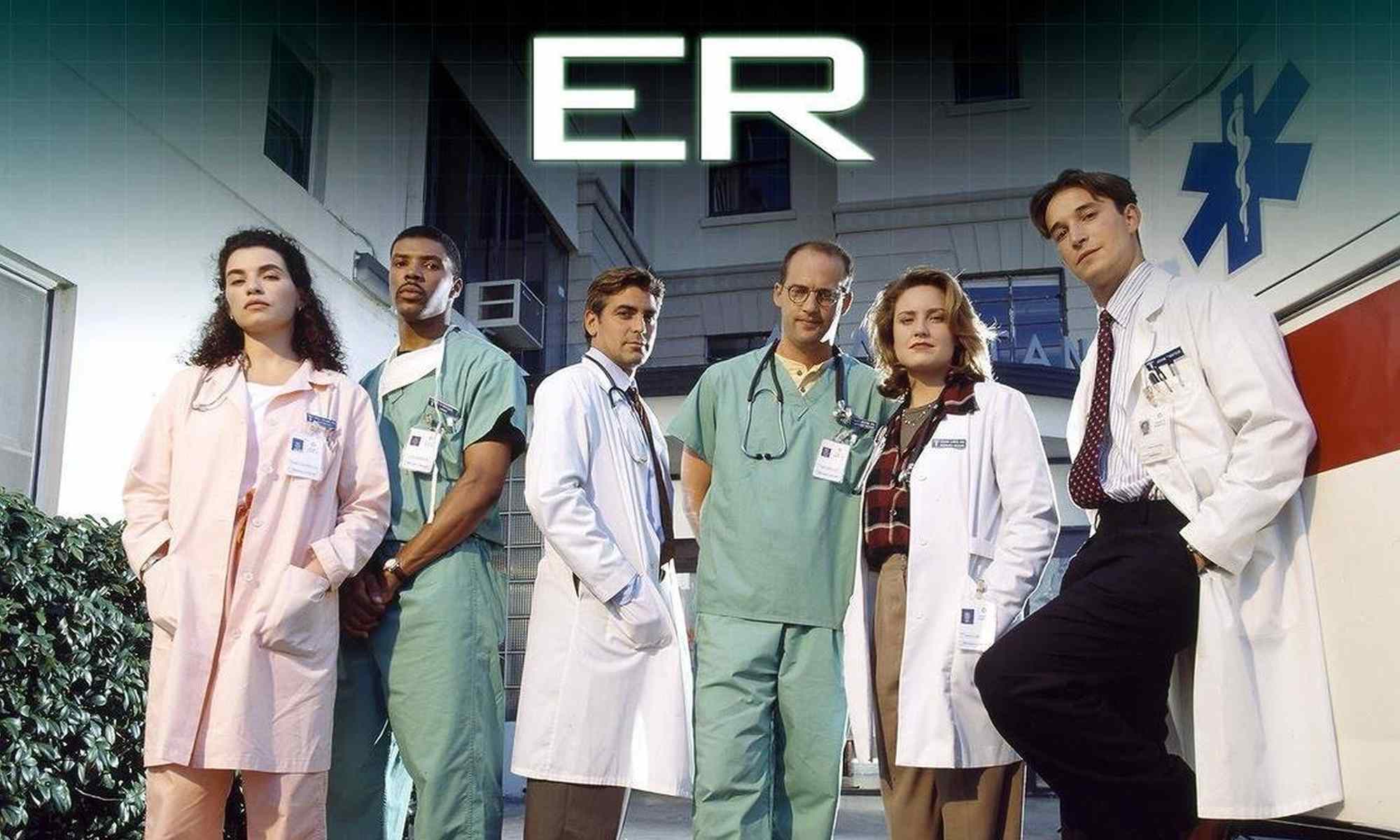
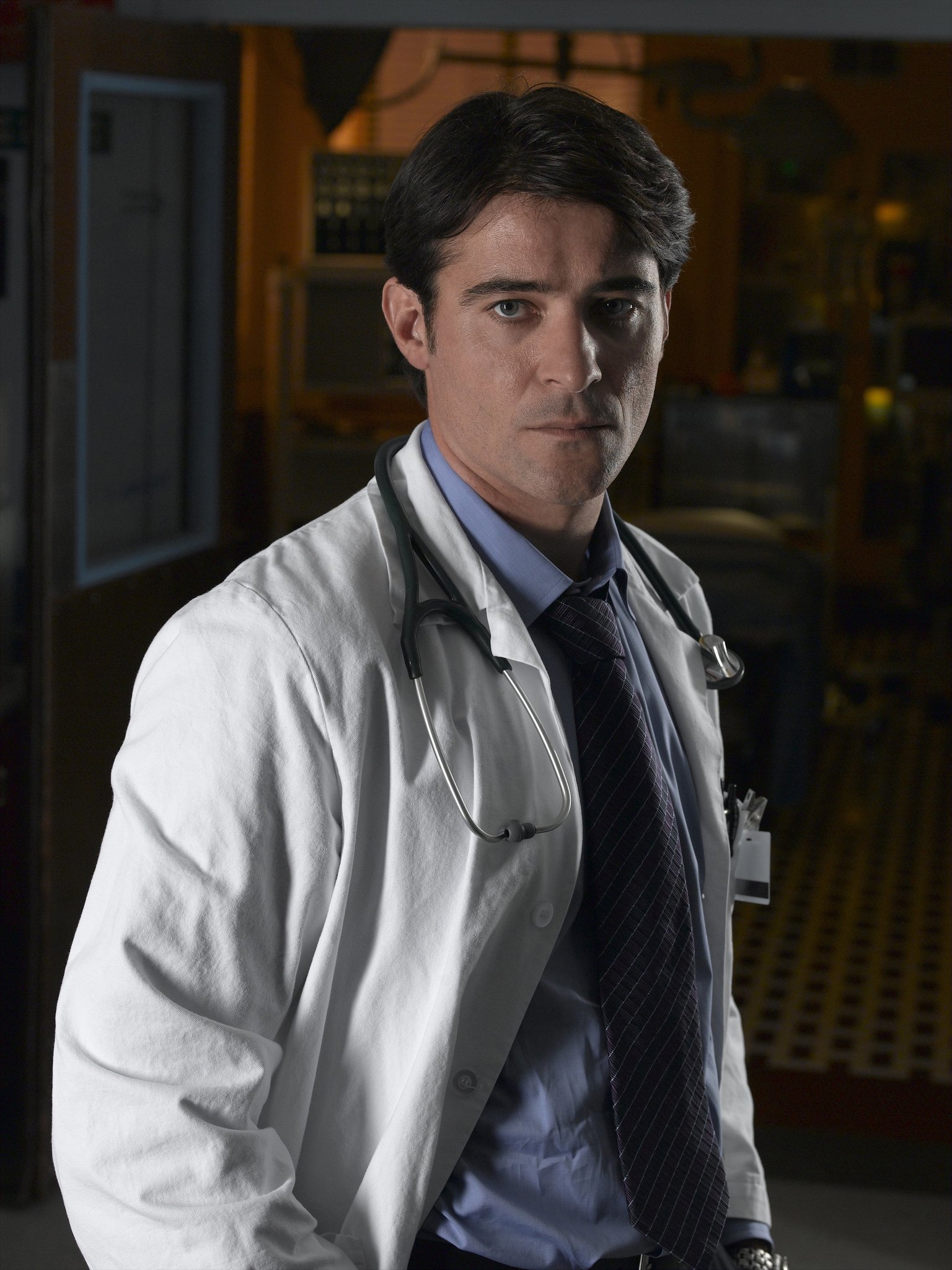
Dr. Luka Kovač (from ER) sits across from Nelly Furtado in a serene, sunlit clinic room. He’s calm but direct, sketching a dietary plan in his notebook as Nelly, determined and curious, leans in.


DR. LUKA KOVAČ
Nods thoughtfully.
If you’re serious about this, we’ll take a holistic approach. No crash diets. No starvation. Just science, tradition, and commitment. Let’s talk strategies—real ones.


🔹 Diet Strategy: Ketogenic + Paleo Fusion

A blend of the Ketogenic and Paleo diets will help your body burn fat for fuel (ketosis), reduce inflammation, and cut out processed junk.

What to Eat

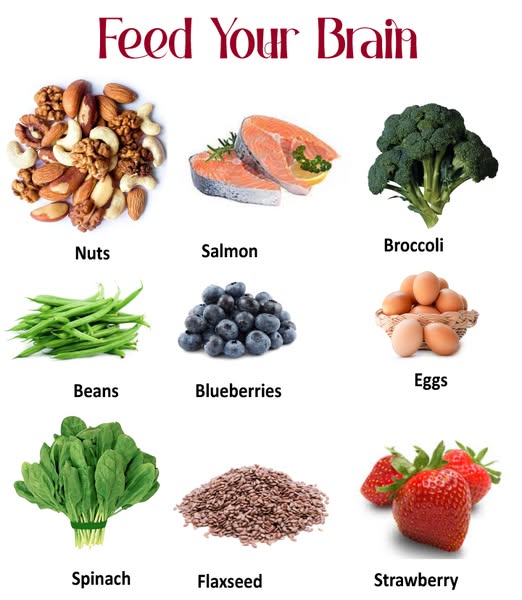
  • Proteins: Grass-fed beef, wild-caught salmon, sardines, free-range eggs, turkey
  • Fats: Avocados, olive oil, coconut oil, ghee, nuts (especially macadamia, almonds, walnuts)
  • Vegetables (low-carb): Spinach, kale, arugula, broccoli, zucchini, cauliflower, cucumber
  • Fruits (low-sugar): Berries (blueberries, raspberries), lemon, avocado
  • Seeds: Chia, flaxseed, pumpkin seeds
  • Fermented foods: Kimchi, sauerkraut, kombucha (unsweetened)

Avoid

  • Grains (wheat, corn, oats, rice)
  • Sugar and artificial sweeteners
  • Industrial seed oils (canola, soybean)
  • Legumes (beans, lentils, peanuts)
  • Dairy (except ghee or grass-fed butter in moderation)
  • Alcohol (occasional red wine is okay)

🔹 Teas to Melt the Pounds

These teas boost metabolism, curb appetite, and aid digestion.

  • Green Tea – powerful catechins, especially EGCG
  • Matcha – concentrated green tea with thermogenic effects
  • Oolong Tea – promotes fat oxidation
  • Ginger Tea – anti-inflammatory, improves insulin sensitivity
  • Dandelion Root Tea – gentle diuretic, supports liver detox
  • Yerba Mate – energizing, reduces belly fat
  • Cinnamon Tea – regulates blood sugar

🔹 Essential Supplements & Nutrients

To keep your body supported while shedding fat:

🌿 Vitamins

  • Vitamin D3 – immune + fat loss (take with K2)
  • B-complex – energy production
  • Vitamin C – antioxidant, cortisol control

🧂 Minerals

  • Magnesium (glycinate or citrate) – for sleep and muscle function
  • Zinc – appetite regulation
  • Potassium & Sodium – replenish electrolytes on keto

🍃 Herbs & Roots

  • Ashwagandha – lowers cortisol, balances hormones
  • Turmeric (Curcumin) – fights inflammation
  • Rhodiola Rosea – natural energizer
  • Berberine – mimics metformin, blood sugar control
  • Garcinia Cambogia – appetite suppressant
  • Green Coffee Bean Extract – fat metabolism

DR. KOVAČ
Looking directly at her.
But this isn’t just about the scale, Nelly. It’s about energy. Mental clarity. Hormonal harmony. You follow this, you won’t just look better—you’ll feel like you’re twenty again.


NELLY
Nods, energized.
Let’s do it, Doctor. I’m ready to fly like a bird again.

DR. KOVAČ
Smiles.
Then let’s make your body the instrument it was meant to be. Light, strong, and in tune.

Cancelling Croatia’s Open Society

Igor Bogdanov Essay: Franjo Tuđman vs. George Soros’ Open Society

Thesis: Franjo Tuđman opposed George Soros’ Open Society initiatives in Croatia because he believed they represented a disguised effort at re-Balkanization, undermining Croatian sovereignty and national priorities. Croatia, a young nation still healing from war, could not afford to house refugees on its beaches when its own war veterans were abandoned in poverty.


When Yugoslavia collapsed and the Croatian War of Independence raged in the early 1990s, President Franjo Tuđman stood as the architect of a sovereign Croatian state. In the post-war years, he faced a second kind of invasion—not by tanks or paramilitary forces, but by NGOs, foreign ideologues, and transnational foundations. Chief among these was George Soros’ Open Society Foundation, whose utopian promises of liberal democracy and borderless global citizenship rang hollow to a man who had just fought to secure a homeland.

Tuđman did not view Soros as a philanthropist. He viewed him as a Trojan horse.

The ideology of Open Society, inspired by Karl Popper’s theories, seeks to dissolve national barriers in favor of individual rights, minority empowerment, and unrestricted migration. For the war-weary Croatian Republic, however, these ideals appeared detached from local realities. Croatia was not a stable Western democracy with centuries of accumulated wealth—it was a scarred, transitional state emerging from occupation, ethnic cleansing, and economic ruin.

The first objection Tuđman had was pragmatic. Croatia could not afford a mass influx of migrants. “Boat people” who washed up along the Dalmatian coast—whether economic migrants from Africa or refugees displaced by NATO’s endless wars in the Middle East—were not simply symbolic gestures of Europe’s benevolence. They were logistical burdens on a state that could barely house its own. Many Croatian war veterans, who had risked their lives for independence, now languished in underfunded shelters, jobless and broken. To Tuđman, prioritizing migrants over veterans was not compassion—it was betrayal.

The second objection was cultural and political. Soros-backed NGOs often acted as self-appointed guardians of human rights, launching public campaigns that demonized Croatian nationalism and rehabilitated Yugoslav ideals under the guise of “multiethnic tolerance.” Tuđman saw this as a direct challenge to Croatian identity and sovereignty. He feared that the same foreign forces that had carved up Central Europe after both World Wars were returning—not with guns, but with grants.

Tuđman warned against what he called the re-Balkanization of Croatia: the attempt to reintegrate the country into a Balkan framework, as a pliable outpost of EU liberalism rather than a proud Central European nation with its own values, Catholic traditions, and historical mission. In this framework, the Open Society network represented a subtle form of imperialism—ideological rather than military.

Critics accused Tuđman of xenophobia, nationalism, and paranoia. But in hindsight, his skepticism toward Soros was not isolated. Across Eastern Europe, leaders from Viktor Orbán to Aleksandar Vučić would later echo similar sentiments. Even in the West, the Soros brand has become synonymous with a form of soft power that many view as elitist and disconnected from the will of local populations.

Tuđman’s vision of Croatia was not one of isolationism but of dignity. He did not oppose helping the poor, the weak, or the stateless. But he believed charity must begin at home—and that sovereignty is meaningless if it cannot defend the rights of its own people first.


Conclusion:
Franjo Tuđman opposed Soros’ Open Society in Croatia not out of prejudice, but out of patriotism. In the aftermath of war, when Croatia’s soul and resources were fragile, he believed the nation needed to consolidate its identity and rebuild from within—not dilute its sovereignty for the sake of Western ideals it could not afford. He saw through the glittering promises of Open Society and asked a simple question: Who feeds our veterans? Who shelters our homeless? Who defends our people from becoming strangers in their own land?

That question still echoes on the beaches of Croatia today.

Immortality Techniques

Dr. Luka Kovac on Telomere Restoration and Slowing Aging

As an ER doctor turned regenerative medicine advocate, I’ve seen the human body at its most fragile. But I’ve also studied how resilient it can be—with the right tools. One of the most fascinating breakthroughs in anti-aging science involves telomeres—the protective caps at the ends of our chromosomes that shorten with age, stress, and disease.

When telomeres shorten too much, cells become senescent or die. This is the biological clock of aging. But new evidence suggests we can slow, halt, and even reverse telomere shortening using nutrition, lifestyle, and targeted supplementation.


🧬 What Are Telomeres?

  • Function: Protect chromosome integrity during cell division.
  • Problem: With each cell division, telomeres shorten.
  • Consequence: Short telomeres = aging, inflammation, immune dysfunction, cancer risk.
  • Solution: Support telomerase—the enzyme that rebuilds telomeres.

🌿 How to Restore Telomeres Naturally

1. Nutritional Strategies

🥦 Foods That Protect or Lengthen Telomeres

  • Cruciferous vegetables: Broccoli, kale, Brussels sprouts (detox & anti-inflammatory)
  • Berries: Blueberries, blackberries, raspberries (rich in anthocyanins)
  • Nuts: Especially walnuts and almonds (good fats, polyphenols)
  • Seeds: Chia, flax, pumpkin (omega-3, lignans)
  • Avocados: Healthy fats + glutathione support
  • Green tea: EGCG may enhance telomerase activity
  • Olive oil: Polyphenols, anti-inflammatory, Mediterranean diet benefit
  • Legumes: Lentils, black beans (resistant starch, fiber)
  • Dark chocolate (85%+ cocoa): Rich in flavonoids

2. Telomere-Protecting Herbs and Roots

  • Astragalus membranaceus
    ⮕ Main source of cycloastragenol—a known telomerase activator
    ⮕ Shown to extend telomeres in vitro
  • Rhodiola rosea
    ⮕ Adaptogen; protects mitochondria and may slow telomere attrition
  • Ashwagandha
    ⮕ Reduces cortisol, inflammation (stress is a telomere killer)
  • Turmeric (Curcumin)
    ⮕ Powerful anti-inflammatory, supports healthy gene expression
  • Panax Ginseng
    ⮕ May improve DNA repair and telomerase activity
  • Ginkgo biloba
    ⮕ Improves circulation and antioxidant activity

3. Vitamins and Minerals for Telomere Health

  • Vitamin D3
    ⮕ Low levels linked to shorter telomeres
    ⮕ Aim for serum 50–80 ng/mL
  • Vitamin C & E
    ⮕ Antioxidants protect against oxidative telomere damage
  • Magnesium
    ⮕ Required for DNA replication and repair
  • Zinc
    ⮕ Helps activate telomerase and supports immune function
  • Selenium
    ⮕ Reduces oxidative stress, supports glutathione peroxidase
  • Vitamin B12 + Folate + B6
    ⮕ Reduce homocysteine, improve DNA methylation and repair
  • Omega-3 fatty acids (EPA/DHA)
    ⮕ Strongly associated with slower telomere shortening

4. Supplements That Boost Telomerase

  • TA-65® (Astragalus extract)
    ⮕ Clinically tested telomerase activator
  • NMN or NR (Nicotinamide Mononucleotide / Riboside)
    ⮕ Boost NAD+, support mitochondrial health and SIRT1 activation
  • Resveratrol
    ⮕ Mimics calorie restriction; activates sirtuins, improves telomere maintenance
  • Pterostilbene
    ⮕ More bioavailable cousin of resveratrol
  • CoQ10 / Ubiquinol
    ⮕ Supports mitochondrial energy, protects telomeric DNA

🔬 Lifestyle Changes That Affect Telomere Length

✅ What Helps

  • Exercise: Especially HIIT, brisk walking, and resistance training
  • Sleep: 7–9 hours per night, deep and consistent
  • Intermittent Fasting: May boost telomerase and reduce senescence
  • Meditation & Mindfulness: Stress directly shortens telomeres; meditation can increase telomerase
  • Laughter, Gratitude, Faith: These reduce cortisol and promote regenerative hormones

❌ What Hurts

  • Smoking, alcohol abuse
  • Processed foods, sugars
  • Chronic stress & anxiety
  • Sedentary lifestyle
  • Obesity
  • Poor sleep hygiene

🔄 Can We Reverse Aging?

Current science suggests:
Yes—functionally, if not completely. Telomere length can be increased slightly with lifestyle and supplementation. More importantly, you can dramatically slow the rate of shortening and rejuvenate cells through mitochondrial health, detoxification, and DNA repair pathways.


🩺 Dr. Luka Kovac’s Protocol (Sample Daily)

TimeSupplementDose
MorningVitamin D3 + K25000 IU / 100 mcg
MorningNMN + Resveratrol250 mg + 200 mg
MiddayAstragalus Extract (TA-65)8–16 mg
LunchFish Oil (EPA/DHA)1000–2000 mg
AfternoonRhodiola + AshwagandhaAs per label
DinnerMagnesium Glycinate400 mg
BedtimeVitamin C + Zinc500 mg + 15 mg

Add meditation, movement, purpose, and joy daily.


Final Word:
We may not live forever, but we can certainly extend healthspan—the years we live free of disease. It starts with food as medicine, stress control, and honoring our biology with nutrients that rebuild what time and stress erode.

Stay curious. Stay strong.
—Dr. Luka Kovac

Injured Croatian Soccer Players Healing

Dr. Luka Kovač
Emergency Physician, War Survivor, Innovator in Regenerative Medicine
MedTech for Croatia Initiative


A Detailed Guide: How to Build a 3D Bioprinter and Flesh Printer for the Healing of Soccer Players and War Veterans


Croatia has produced warriors on the battlefield and on the soccer pitch. But both leave the body broken — torn ACLs, shattered bones, burnt flesh, amputated limbs. As a doctor who has witnessed war and treated trauma, I believe it’s time Croatia leads the next medical revolution: regenerative bioprinting.

Here is my step-by-step explanation for building a 3D bioprinter and a flesh printer in a cost-effective, modular way — suitable for clinics in Zagreb, Rijeka, or even rural villages like Sinj.


🧠 1. UNDERSTANDING THE MISSION

Before the tools, we need the why:

  • Soccer Players: Meniscus tears, cartilage damage, torn ligaments.
  • War Veterans: Burned skin, missing muscle tissue, damaged nerves, amputated limbs.

A 3D bioprinter can print living tissue: skin, cartilage, muscle — even bone scaffolds — layer by layer using “bioinks” composed of living cells and hydrogels.


🛠️ 2. BUILDING THE 3D BIOPRINTER FRAME

Start with a cartesian 3D printer base — modify a commercial 3D printer or build your own:

Hardware Requirements:

  • Frame: Aluminum V-slot extrusion (80/20 system)
  • Stepper motors: NEMA 17
  • Linear rails and bearings: For precision XYZ movement
  • Heated build platform: Optional for temperature control
  • Controller board: Arduino Mega with RAMPS 1.4 or Duet 2 WiFi
  • Syringe extruder head: For bioink (replace filament extruder)

🧬 3. BIOINK EXTRUDER SYSTEM

Replace the plastic filament system with a syringe-based extrusion system:

  • Syringe pump: Controlled by stepper motors
  • Cooling/heating system: Peltier elements or a thermoelectric control box
  • Sterile disposable cartridges: Autoclavable if possible

Use Luer lock syringes loaded with bioinks such as:

  • Skin cells (keratinocytes, fibroblasts)
  • Cartilage cells (chondrocytes)
  • Stem cells (mesenchymal from fat or bone marrow)

🔬 4. SOFTWARE & G-CODE MODIFICATIONS

Use open-source slicing software like Cura or Repetier Host, but modify G-code commands for:

  • Syringe extrusion
  • Pausing between layers (to allow gelation or crosslinking)
  • Multi-nozzle control (if printing multiple tissue types)

Advanced version: Use MATLAB or Python scripts to control the printer dynamically based on real-time imaging or MRI scans.


🧪 5. BIOINK FORMULAS

Each tissue requires specific bioink:

For Skin:

  • Hydrogel base: Collagen + fibrin
  • Cells: Keratinocytes (epidermis), fibroblasts (dermis)
  • Additives: Vitamin C, growth factors (EGF, FGF)

For Cartilage:

  • Hydrogel base: GelMA (gelatin methacrylate) + hyaluronic acid
  • Cells: Chondrocytes or induced pluripotent stem cells (iPSCs)

For Muscle:

  • Hydrogel: Fibrin + alginate
  • Cells: Myoblasts (muscle progenitor cells)

For Bone:

  • Scaffold material: Tricalcium phosphate or hydroxyapatite
  • Cells: Osteoblasts or stem cells

💡 6. PRINTING AND CROSSLINKING

After each layer, crosslink the hydrogel to solidify it:

  • Use UV light for GelMA
  • Use calcium chloride bath for alginate
  • Use thermal gelation for collagen

Each layer is printed layer-by-layer, mimicking the real anatomy using patient imaging (MRI or CT scan).


🏥 7. POST-PRINTING: BIOREACTOR INCUBATION

Place the printed tissue in a bioreactor:

  • Controls temperature (37°C), CO₂, oxygen, and flow of nutrients
  • Helps vascularize the tissue
  • Can be built from aquarium components, perfusion pumps, incubator controllers

⚕️ 8. CLINICAL TRANSLATION

Once printed tissue is matured:

  • Autologous grafting for burns and wounds
  • Joint repair for soccer players (meniscus, cartilage patches)
  • Muscle replacement for veterans
  • Bone scaffolds for cranial or limb injuries

🇭🇷 9. CROATIAN LOCALIZATION

Croatia can:

  • Source stem cells from patients in local clinics
  • Train bioengineers from Croatian universities (Split, Zagreb)
  • Partner with hospitals and veterans’ groups
  • Build regional tissue banks and bioink repositories

🔧 10. COST ESTIMATE (DIY STARTER VERSION)

ComponentCost (USD)
Frame, motors, rails$250
Controller board$50
Syringe extruder$100
Bioink materials$500
UV crosslinker$100
Bioreactor setup$200
Total~$1,200

This is a fraction of commercial systems that cost $50,000–$300,000.


👨‍⚕️ FINAL THOUGHTS FROM DR. KOVAČ

Croatia’s future does not lie in importing overpriced Western tech. We must build with our own hands, for our own people — for the boys who gave their legs in war and the men who gave their knees to the game.

Let this project be a new healing pilgrimage: not to Lourdes, but to a humble lab, where flesh is printed, and hope reborn.


“Kad već ne možemo vratiti prošlost, možemo barem obnoviti tijelo.”
(“If we cannot return the past, we can at least restore the body.”)
— Dr. Luka Kovač

Allied Propaganda Inflation

Title: Croatia and the War of Numbers: Propaganda, Memory, and the Ghosts of World War II

By Igor Bogdanov

In the wake of World War II, victors wrote the narrative. As Winston Churchill allegedly quipped, “History will be kind to me, for I intend to write it.” Nowhere is this more apparent than in the contested memories of small nations like Croatia, whose role in the Second World War is often flattened into caricature—either vilified as a fascist puppet or ignored altogether. This essay explores how postwar propaganda, particularly from Allied and Yugoslav Communist sources, may have inflated death tolls—especially those of Jews and Serbs—not only for moral condemnation but also for political leverage.

The Inflation of Atrocity

It is impossible—and morally reprehensible—to deny the horror of genocide. Yet it is equally dangerous to allow history to become unchallengeable dogma. Numbers, particularly when wielded as symbols, can serve ideological aims. The six million Jews killed in the Holocaust has become not only a tragic historical fact but also a sacred number—invoked almost ritually, enshrined beyond audit. Franjo Tuđman, the Croatian historian and later president, controversially questioned these figures in his book Wastelands of Historical Reality, not to deny suffering but to interrogate propaganda’s role in cementing orthodoxy. His position was not Holocaust denial, but Holocaust demystification.

Similarly, the claim that the Independent State of Croatia (NDH), a Nazi-aligned puppet state, killed over 700,000 Serbs at Jasenovac concentration camp has been challenged by several historians—Croatian, Israeli, and Western alike—who suggest that the real number may be significantly lower, possibly in the tens of thousands. This is not to absolve the Ustaše regime, which committed undeniable atrocities, but to expose how Tito’s Yugoslavia manipulated numbers to forge a narrative of Serb victimhood and justify Communist centralization.

Material Constraints and Military Realities

Croatia, during the war, was materially impoverished. According to internal reports, the NDH had limited resources: outdated weaponry, scarce ammunition, and uniforms scavenged or donated from Axis partners like Italy or Finland. The Black Legion, under Jure Francetić and Rafael Boban, was brutal but numerically small. The idea that a ragtag militia with a few hundred thousand bullets could eliminate millions is logistically absurd. The paradox becomes starker when contrasted with industrial extermination programs like those of Nazi Germany, or mass famines induced by Communist policies in Ukraine and China.

So why do the numbers matter so much?

The Ritual of One-Third

The number “one-third” recurs in apocalyptic literature. Revelation 9 speaks of a third of mankind dying—imagery that has long influenced esoteric traditions, including those allegedly embraced by certain elite secret societies. The claim that one-third of Jews perished in the Holocaust aligns eerily with this Biblical metric. Similarly, one-third of Cambodians perished under Pol Pot’s Khmer Rouge, with far less memorialization in Western media. Are we witnessing the hand of occult numerology shaping historical emphasis? Or simply a coincidence embedded in the tragic rhythms of genocide?

What remains troubling is the asymmetry of memory. Communist atrocities—by Lenin, Stalin, Mao, and Pol Pot—have a body count that dwarfs fascist crimes. Yet in Western cultural memory, Hitler is the epitome of evil, while Stalin is almost a footnote. This imbalance reveals not just historical forgetfulness, but a deeper ideological bias: one that sees right-wing atrocities as unforgivable, but left-wing ones as unfortunate missteps in pursuit of utopia.

Croatia Between Empires

For Croatia, caught between collapsing empires and rising ideologies, the war was not merely ideological—it was existential. The NDH made a Faustian bargain with Hitler to escape Serbian domination and gain independence, but at the cost of moral corruption and brutal alliances. The tragedy is not only in what was done—but in how memory now distorts, exaggerates, or omits to serve current political needs.

To truly honor the victims—Jewish, Serb, Roma, Croat—we must confront all propaganda, including our own. Only then can history become not a weapon, but a mirror.

Faith or Fascism?

Essay by Igor Bogdanov
Title: Marko Perković Thompson: A Man of Faith, Not a Fascist

In the cultural crosswinds of post-war Europe, few figures stir such controversy and devotion as Marko Perković, known by his stage name Thompson. To some, he is a folk hero; to others, a dangerous nationalist. Yet both of these perceptions often miss the heart of the man himself. My thesis is simple: Marko Perković Thompson is not a fascist; he is a man of faith. The attempt to reduce his life and work to an ideological caricature ignores the deeper spiritual and historical currents flowing through his music.

Let us begin with the facts. Marko Perković took up the guitar not as an agent of propaganda, but as a young man moved by war, by the call to defend his homeland, and later, by a need to express the trauma and hope of his people. He earned the nickname “Thompson” from the weapon he carried as a soldier during Croatia’s war of independence—not from some affinity with fascist imagery, but from battlefield reality. His music was born not in boardrooms or policy think tanks, but in the blood and dust of the Balkans.

Many critics point to his song “Bojna Čavoglave” as evidence of extremism. But to isolate one lyric and ignore the context is intellectual dishonesty. That song was a wartime anthem, a cry of defiance during a time when Croatian villages were being shelled and burned. The intro’s invocation—“Za dom spremni”—is controversial today, but in that moment, it was not about glorifying a past regime. It was about readiness to defend one’s home and family, a slogan reappropriated in a modern context of resistance, not regression.

What these critics fail to engage with is the overwhelming presence of faith in Thompson’s music. His lyrics are filled with references to God, the Virgin Mary, the saints, and Christian martyrdom. In a Europe increasingly secularized, Thompson stands apart as a torchbearer for traditional Catholic values. His concerts are not rallies of hate, but pilgrimages of identity, where songs like “Lijepa li si” celebrate not racial purity, but the beauty of Croatia’s land and spirit. His Christmas albums and Marian hymns are steeped in theological reverence, not political ideology.

To call Thompson a fascist is to misunderstand the difference between nationalism and faith-based patriotism. The former can be toxic, yes—but the latter is a legitimate human response to centuries of occupation, erasure, and trauma. Croatia has known empires that tried to erase her language, her religion, and her culture. In that context, a man who sings of resurrection, of homeland, of cross and sword—not as tools of conquest, but of survival—is misunderstood when viewed through the narrow lens of Western liberalism.

One might ask: Why does Thompson draw crowds of young people? If his message were one of hate, would he inspire generations of Croatian youth to weep during songs like “Geni kameni,” which speaks of ancestral strength, or “E, moj narode,” which laments political betrayal and pleads for unity and justice?

Thompson’s critics live in a world where symbolism has lost its soul. They see a cross and think oppression. They hear an anthem and think militarism. But symbols in the Balkans are layered, multivalent, and sacred. The crucifix is not just an ornament for Thompson—it is the sign of his covenant with the Croatian people and with God.

In conclusion, Marko Perković Thompson is not the fascist bogeyman the press makes him out to be. He is a man whose music flows from faith, forged in fire, tempered by prayer. He may be imperfect, but he is sincere. His music is not about supremacy—it is about survival. And in a continent where faith is mocked and heritage discarded, Thompson is a voice crying out in the wilderness: “Remember who you are. Remember who we are.”

– Igor Bogdanov

Looking For a Sign: SCTV

Title: “The Sign (Portugal)”
Scene from the inner life of Dr. Luka Kovac / Joe Jukic

Interior – Small Toronto apartment – Night. The rain whispers against the glass.

Dr. Luka Kovac, a man shaped by war, medicine, and exile, sits in front of an old television. But this is no ordinary evening. Because Dr. Luka Kovac is not just a Croatian doctor on ER reruns. He’s Joe Jukic’s avatar—a vessel for memory, pain, and signs from the divine.

Tonight, Joe needs a sign.
He’s tired. Disconnected. Wondering if the thread of meaning has finally snapped.

He slips in an ancient VHS marked “SCTV – Happy Wanderers”. The tape hisses.
The screen lights up with John Candy and Eugene Levy as the Shmenge Brothers—fake Eastern Europeans playing polka for fake applause.
It’s corny. Offensive even.

But then—he sees it.

A Portugal travel poster, haphazardly pinned in the background:

“Visit Portugal — Land of Music, Land of Dreams.”

He freezes the screen.

The camera never meant to linger there. But Joe—through Luka—sees it.

It’s the sign.

Not just for Portugal.
For Nelly.

Flashback:

A church basement. Fluorescent lights. Cheap lemonade and plastic chairs.
Joe is 14.
He’s got two left feet and an oversized tie.
But he’s holding hands with a girl from Sunday School.
Her name: Nelly Furtado.

They’re square dancing to a cassette recording of “Cotton-Eyed Joe.”
The priest claps in time.
Joe trips over his own shoes, but Nelly laughs and spins him anyway.
Her voice: high, clear, playful.
She smells like cherry lip gloss and hope.

It was just a Confirmation party. But for Joe, it was the last time the world felt innocent.

Back to Present:

Kovac—Joe—whispers:
“Bože moj… it’s her.”

He reaches for his phone. Scrolls past hospital contacts and old war buddies. Finds her.

NELLY – DO NOT TEXT UNLESS IT’S A SIGN

He stares at it.

Then types:

“Portugal.”
“Remember the church basement? Cotton-Eyed Joe? You said I was the worst dancer you’d ever seen. You still owe me a rematch.”

He hesitates. Then hits SEND.

Joe gets up, walks to the mirror, and adjusts his hair with the care of a teenager before a first dance.

Dr. Luka Kovac may have lost love on primetime.
But Joe Jukic just found the courage to reclaim it—with a little help from a Portugal poster, John Candy, and the memory of a girl who danced like heaven was real.

Memes 16

Post by Dr. Luka Kovac on NellyFan.org

Title: What Sinead Needed Most — A Doctor’s Reflection on the Essentials of Life

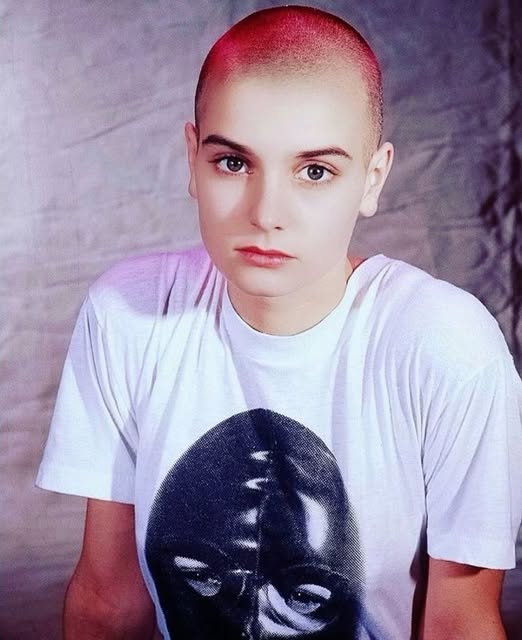
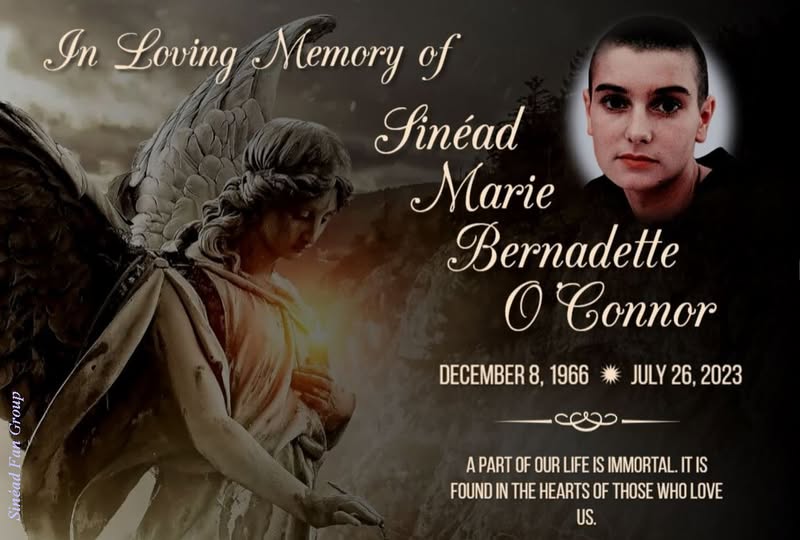
Two years have passed since the tragic loss of Sinéad O’Connor, a voice that pierced the silence and a soul that cried out for justice and mercy. As a physician and a man of faith, I often reflect not only on physical healing but on what sustains the human spirit — especially in a world as harsh and unforgiving as the one that so often bruised Sinéad’s tender heart.

There is a Croatian proverb that says, “Bog je prvo stvorio čovjeka, a onda mu dao dom i ženu da preživi.” — “God first made man, then gave him a home and a wife so he could survive.” Whether you interpret that literally or symbolically, the message is clear: we are not meant to walk this world alone, unanchored.
I want to speak not just as a doctor, but as a fellow survivor of trauma. Here are the necessities of life as I’ve come to understand them — the things Sinéad needed more than fame, applause, or rebellion. The things many of us need to be whole again.

  1. Food
    Not just calories, but nourishment. Sinéad’s struggle with medications, fast fixes, and industry stress no doubt affected her diet. The healing foods of our ancestors — whole grains, fermented vegetables, bone broths, and clean water — are more essential than any antidepressant. Nutritional psychiatry is no longer a fringe idea. Healing begins in the gut.
  2. Shelter
    A safe place. Not just a house, but a home. Sinéad had many addresses, but perhaps no sanctuary. A space to pray, to cry, to laugh without judgment. Trauma survivors often become wanderers, running from memory and self. But stability is medicine.
  3. Clothing
    This means dignity. Self-respect. Modesty not as repression, but as armor against objectification. Sinéad rejected the exploitation of women’s bodies, but she also lived exposed — emotionally naked in a cold world. We need to clothe ourselves in ritual, purpose, and yes — actual warmth.
  4. A Wife (or Husband)
    Call it a spouse, a partner, a counterpart. We need someone to mirror our humanity, to correct us lovingly, to celebrate us quietly. I don’t speak here of lust or fantasy, but covenant. Sinéad needed someone who would not flee at the first sign of her sorrow.
  5. Children
    Not just biologically, but spiritually. A legacy. A reason to mature. Sinéad loved her children fiercely, but losing her son Shane broke her beyond repair. Parents should not bury their children. No amount of grief counseling can erase that wound. But had there been stronger community, extended family, perhaps she could have carried on.
  6. God
    Finally — and foremost — God. Not just as a concept, but as an abiding presence. I watched Sinéad wrestle with religion. She fought against corruption and hypocrisy, yet longed deeply for the Divine. Had she found peace in the Person of God, not just the institution, she might have survived the long dark night of her soul.

I am not here to judge her — God knows I have seen despair in my own life. But I do believe that if we had surrounded Sinéad with these six pillars — food, shelter, clothing, spouse, children, and God — she might still be singing.

Let her life be a wake-up call. Not just to reform mental health treatment, but to remember what truly sustains the soul.

May her memory be eternal,
Dr. Luka Kovač
Physician, Father, Survivor
NellyFan.org Contributor

Gospin Dom – Medjugorje Trilogy

1

2

3

Jozo’s Testimony: The Aura of Our Lady, 1997

Jozo begins quietly, his voice a mix of awe and melancholy, the weight of memory in every word.

“It was the summer of 1997 when I first saw it — the aura of Our Lady. Not a vision like at Medjugorje, no… this was more subtle. It was light, color, and a presence, like a perfume without scent, like music without sound. It shimmered around her name whenever I prayed it, especially when I spoke it aloud with reverence. Ave Maria… it glowed.”

At the time, Jozo had a Calabrian girlfriend — beautiful, wounded, and proud. She was part of the ‘Ndrangheta, a hidden thread of the criminal underworld, though she tried to leave it for love. But she had been damaged by Rockefeller’s vaccines, Jozo says, a cruel experiment that left her with learning difficulties the doctors refused to name.

“She couldn’t read — not properly — and the schools never helped. But the Heart of Mary Croatian Church newsletter changed everything. There was a short article about colored overlays for dyslexia. I found yellow helped her the most. I laid it over children’s books and the Sunday missal. Soon she was reading Psalm 23, stumbling but radiant. It was like teaching a mute bird to sing again.”

But when Jozo’s obsession with the garbage on television began — when he started unplugging TVs and ranting about the filth and lies, about the betrayal of the family through the screen — both his girlfriend and even his own mother turned against him.

“They said I was insane. They called the authorities. Men in white coats came. But I wasn’t mad — I was waking up. I saw it: Television, the silent destroyer. The surrogate parent. The mother, father, secret lover. The only teacher left for the illiterate, for the abandoned, for the vaccine-damaged. Ahh, television… how Our Lady mourns your dominion.”

Jozo’s voice trails off. Then he opens a worn Bible. The pages fall to Psalm 81, and he begins to read, trembling:

“I heard a language I did not understand:
‘I removed the burden from their shoulders;
Their hands were set free from the basket.’”

“Psalm 81… the oracle of 1981… Medjugorje. A new message after Fatima. A reminder that Heaven still speaks. That Mary still calls the poor, the illiterate, the misunderstood. Those branded mad — but blessed. The aurora of the Queen of Peace still shines. I saw it. I testify.”

And with that, Jozo folds his hands and begins to pray the Rosary. Not for himself — but for the girl he once loved, for the television-struck world, and for the voice of the Mother to be heard again.