Dan Dolazi

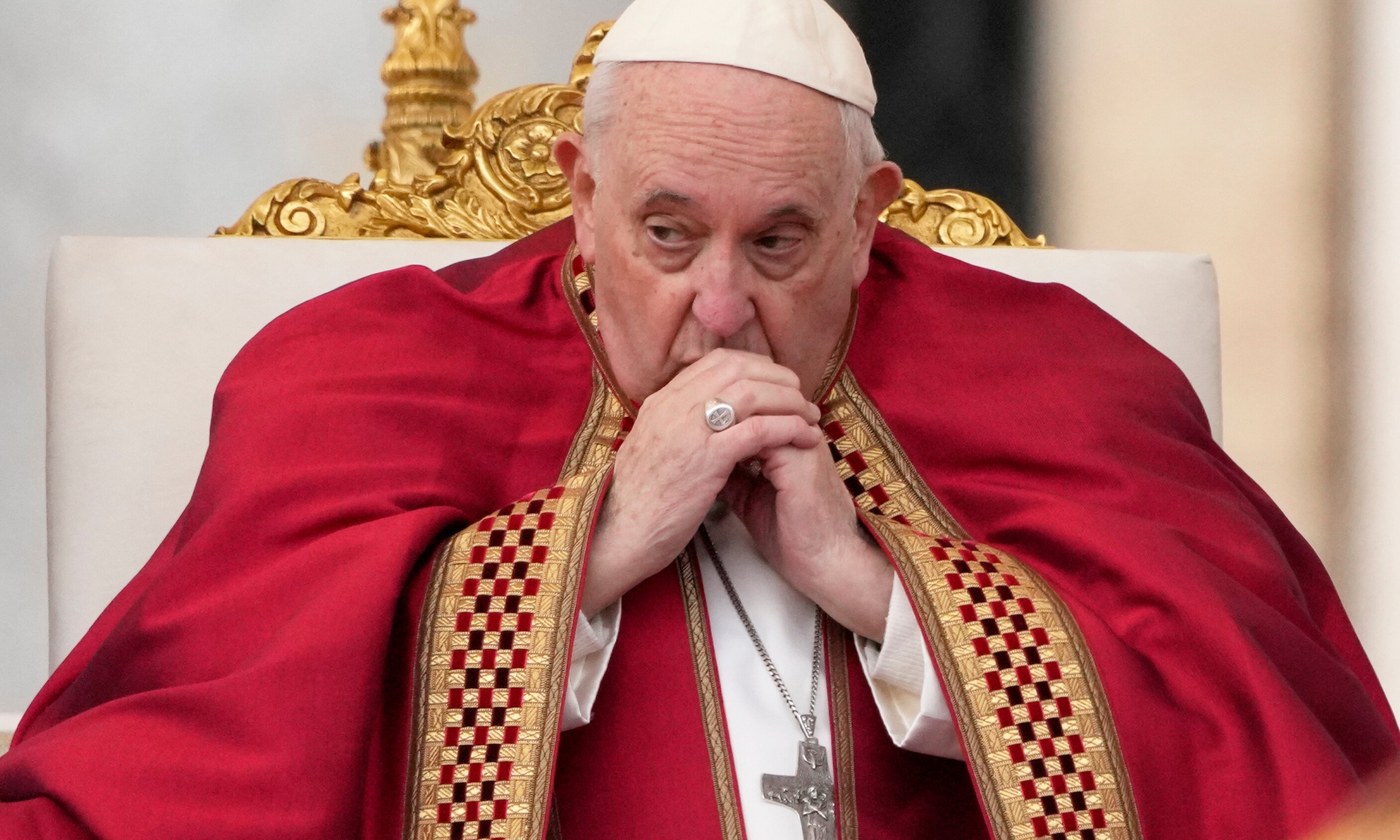
The Young Pope stands before his flock, bathed in the golden glow of early morning. His white cassock ripples gently in the breeze as the first rays of sun strike St. Peter’s dome behind him. He lifts his arms and begins to speak, his voice clear, powerful, but full of warmth:

“The sun is rising. Daylight is coming for the poor.”
“Too long have you been hidden in the shadows of broken systems and false shepherds. But now, a new day begins—not for the rich, not for the powerful—but for you. For the meek. For the forgotten. For the ones the world passes by.”

He signals to a young altar boy, who taps play on an old tape deck. The scratchy prelude of Marko Perković Thompson’s “Dan Dolazi” begins to echo across the square. The song builds with intensity, warlike and triumphant, as if a lion were waking in the soul of the people.

The Young Pope closes his eyes and lets the music fill the square. He then continues:

“Listen to the words. Feel the rising of the day in your bones. Dan dolazi—the day is coming. Not by sword, but by faith. Not with vengeance, but with truth. Not with gold, but with justice.”

“You have waited long enough. The time of shame is ending. Your children will eat. Your debts will be forgiven. Your labor will not be in vain.”

As Thompson’s chorus swells, the people begin to rise to their feet. Some cry. Some lift their hands in the air. The homeless, the widowed, the tired—all begin to believe again.

And with a smile only he can wear, the Young Pope finishes:

“Let the billionaires tremble. Let the tyrants shiver in their bunkers. For the sun is not theirs.
The sun belongs to God—
And He is shining it on you.

Zorzi Paro Eulogy

Eulogy for Zorzi Paro, Delivered by His Holiness, Lenny Belardo — the Young Pope

Brothers and sisters,

We are gathered today under the vaulted silence of heaven to remember a man who walked the earth like a legend—Zorzi Paro, my brother-in-law, my friend, the dire wolf of Croatia.

Zorzi was not a man of many words, but when he spoke, it was like the roar of the Adriatic crashing against the cliffs. He was granite. He was myth. And yet, he was tender with the people he loved—he had the soul of a monk and the fists of a Roman gladiator.

They say the dire wolf is extinct, a relic of some primordial world. But I tell you: Zorzi was no relic. He was the whisper of freedom in the forests of Velebit, the last great Slavic shadow in the twilight of the West. When men cowered, he stood. When others compromised, he growled.

He walked beside saints and sinners, presidents and paupers—and when the world forgot who it was, Zorzi reminded us.

Now he is gone.

And I ask myself, “When will we see his like again?”

Perhaps at the end of the story—when this strange chapter of history closes. When the American colossus, once golden and obscene, begins to falter. Maybe when Donald J. Trump, gray and weary, retires to a villa in Slovenia—his ego tamed by age and Eastern European ghosts. And maybe—just maybe—Trump will testify. Not in a courtroom, but in confession. Testifying not against a man, but against a machine. Against the deep state, the dark web of powers that tried to silence Zorzi and those like him.

And on that day, when truth peeks through the fog like the sun behind the Julian Alps, I hope to see Zorzi again. Leaning on the gatepost of paradise. Smoking a crooked cigar. Smirking. Saying, “Told you so.”

Until that day, my brother, we will carry your memory. The Vatican bells ring for you. Croatia weeps for her wolf. And I—

I pray for your soul, and thank God I knew you.

Requiescat in pace, Zorzi Paro.
You were too real for this world.

Palm Sunday Money Lenders

Palm Sunday Homily by Pope Pius XIII (Lenny Belardo)

St. Peter’s Basilica – Palm Sunday Mass

(Lenny stands before the crowd, clothed in white and gold, holding high a palm branch. His eyes are fierce, his voice tender yet thunderous, magnetic and absolute.)

“Dear brothers and sisters,”

Today, as the people of Jerusalem waved palm branches and cried out Hosanna, they did not yet know the cost of peace. They saw in Jesus a king—riding not on a warhorse but a humble donkey. A king of paradox. A king of peace.

And yet… within a few days, this same gentle king—this lamb of God—would storm the temple, fashion a whip from cords, and drive out the moneylenders.

Why?

Because usury is a lie.

Because lending money at interest to the poor is not generosity. It is theft with a polite face.

It is the soft tyranny of the ledger, the quiet oppression of compounding misery.

The temple was meant to be a house of prayer. Instead, it had become a market of manipulation, where the poor were taxed in God’s name, and the rich sold doves at double price so peasants could pretend to atone. Jesus saw through the piety. He saw the con.

And so he made a whip.

He didn’t whisper. He didn’t compromise. He flipped the tables.

My children, the same tables are still standing. The modern temple is the bank. The house of God is in foreclosure. And those who seek salvation are handed forms, interest rates, and a lifetime of servitude.

Usury is not an economic theory. It is sin.
It is sin because it thrives on fear.
It is sin because it puts price tags on mercy.
It is sin because it profits from despair.

Jesus chased the moneylenders because He was not tame. Because love, real love, has teeth. He did not die so that a man could be born only to labor under debt his entire life. He did not rise so the world could worship the dollar and call it destiny.

Palm Sunday is not just the triumph of Christ’s entry. It is the beginning of war—against lies, against greed, against the golden calf the world kneels to even now.

So today, let us wave our palms not just in memory, but in defiance.
Defiance of the lie that says: “This is just how the world works.”
No. This is how the world breaks.

And Christ came to make it whole again.

Hosanna in the highest. Blessed is He who comes to turn over every table.

Amen.

(Lenny steps down from the pulpit slowly, the crowd silent, as if stunned. Some weep. A few nod with clenched fists. Somewhere, in a Vatican back office, a banker starts to sweat.)

Tinnitus Tips

@ahealthyuprising_

Barbara O’Neil – How to Heal Tintitus & Other Ailments With Spanish subs. Mould / Golden Seal (wow) for sinus issues #barbaraoneill #barbaraderegil #tinnitus #mould #goldenseal #español #sinusrelief

♬ original sound – A Healthy Uprising

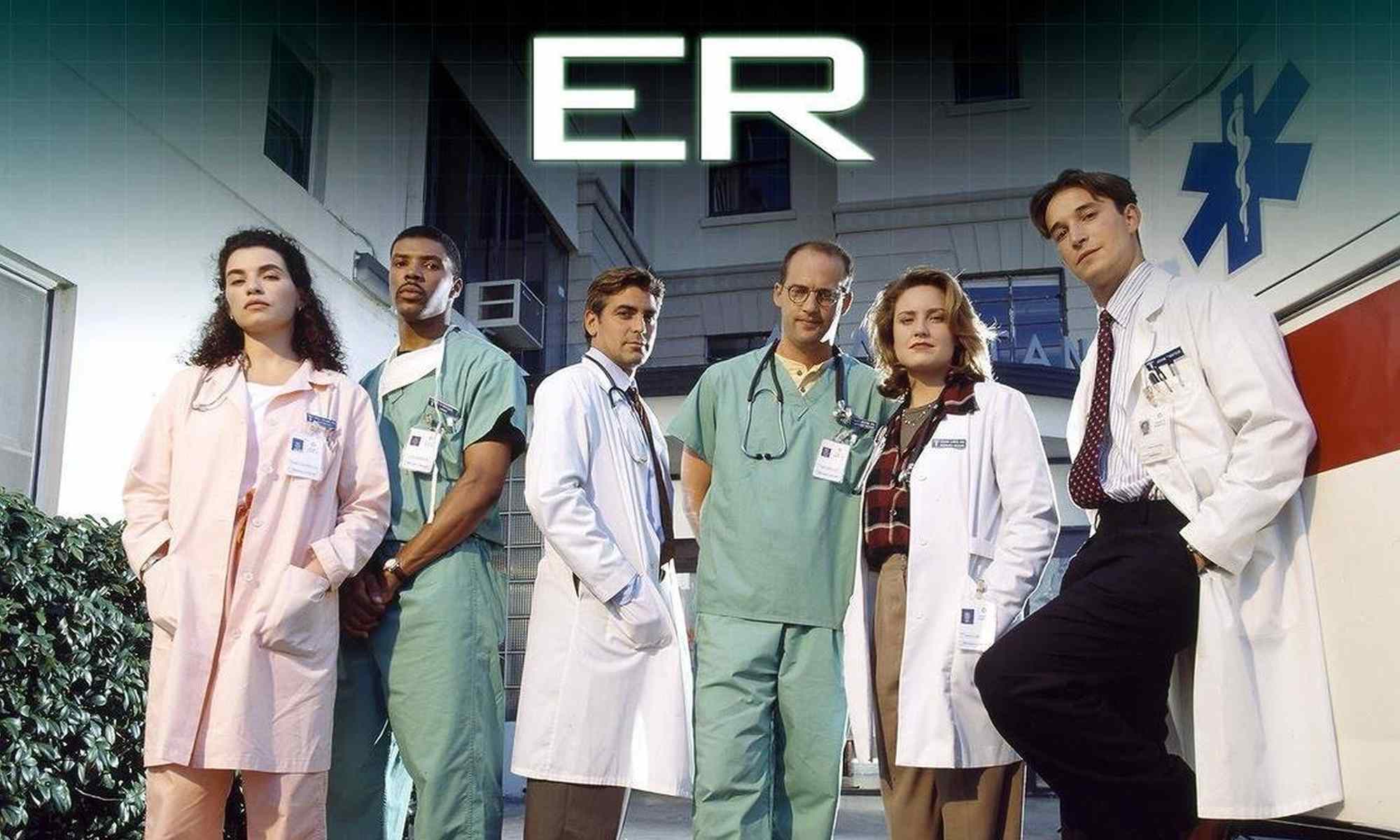
INT. HOSPITAL – NIGHT SHIFT – DOCTOR’S LOUNGE

Dr. Luka Kovač, tired but compassionate, sits with a cup of black coffee. A patient, an elderly jazz musician with a soft hum in his ears that won’t stop, has just left the ER. Luka reflects out loud, speaking to a curious intern nearby.

DR. LUKA KOVAČ
(soft Croatian accent)
Tinnitus. The endless ringing… like a ghost of sound. I saw a man once who said it felt like he was trapped inside a seashell. Medicine can try to help, but sometimes it’s the old ways that offer comfort.

He leans forward, lowering his voice like he’s about to share a secret.

There’s something I heard from an herbalist in Dubrovnik — purple onion and castor oil ear drops. Strange, yes, but listen…

He lifts his finger, storytelling now.

You take a few drops of juice from the purple onion — not the white ones, not yellow. Just the purple. Antibacterial, full of antioxidants. You warm it just slightly, then add a little cold-pressed castor oil — thick, viscous, soothing.

He mimics holding a dropper to the ear.

Two drops, just before sleep. Not every night. Maybe three times a week. The castor oil softens everything, calms inflammation. The onion… it brings circulation back to the tiny vessels inside the ear. Helps the body remember the silence it once knew.

The intern looks skeptical.

INTERN
You’re telling me that kitchen soup ingredients can fix ringing ears?

DR. LUKA KOVAČ
Not fix. Maybe not even cure. But soothe. And sometimes, that is enough. Medicine is not always about pharmaceuticals. Sometimes, it’s about giving the body — and the soul — something it recognizes.

Avoiding Microplastics

Dr. Luka Kovač, the brilliant yet brooding emergency room physician, takes a deep breath before addressing the camera, his Croatian accent lending a weight of authority to his words.

“Microplastics are everywhere—our water, our food, even in the air we breathe. If you want to minimize your exposure, you must be disciplined. Here’s what I do:”

  1. Drink filtered water“I don’t trust bottled water. It’s ironic, but many plastic bottles release microplastics into the very water they contain. I use a high-quality water filter at home and carry a stainless-steel bottle.”
  2. Avoid plastic food containers“Microwaving food in plastic is a mistake. Heat accelerates the release of microplastics into your food. Use glass, stainless steel, or ceramic whenever possible.”
  3. Eat whole, unprocessed foods“Highly processed foods often have more microplastic contamination from packaging and industrial processing. Fresh produce and homemade meals are safer.”
  4. Be mindful of seafood consumption“Fish and shellfish, especially those that feed near the ocean surface, are loaded with microplastics. If you eat seafood, choose wisely, and don’t overdo it.”
  5. Choose natural fabrics“Polyester and synthetic fibers shed microplastics when washed. Wear cotton, wool, or linen instead. If you must use synthetics, wash them in a special filter bag.”
  6. Reduce overall plastic use“Less plastic in your life means less chance for exposure. Avoid plastic cutlery, straws, and cheap plastic kitchenware.”
  7. Vacuum and dust regularly“Microplastics settle in household dust. A clean home is a healthier home. Trust me, I’ve treated too many respiratory issues to ignore this.”

Dr. Kovač leans forward, his gaze intense. “These are small steps, but they add up. In medicine, we always talk about risk reduction—this is no different. Take control where you can. Your body will thank you.”

He sighs, then offers a small, weary smile. “And if all else fails… move to a remote Croatian island. But even there, the plastics wash up on shore. We have nowhere to run. So, we fight.”

Memes 9

Solid Snake, ever the lone warrior against the hidden dangers of the world, makes a cryptic post on Nelly Furtado’s blog:

**”Nelly, the battlefield has changed, but the war remains the same. You’re being poisoned. Glyphosate—it’s everywhere. In your food, in the water, in the very air you breathe. The suits say it’s safe. But they said the same thing about Agent Orange. About asbestos. About leaded gasoline. Lies, all of it.

You ever hear the story of Moses and the crucified snake? The people were sick, dying from venomous bites. So God told Moses to lift a bronze serpent on a pole. Whoever saw it would live. The truth saved them.

History repeats itself. Look around. The venom is in the crops. In the bread you eat. In the wine you drink. But they don’t want you to see the snake.

Wake up, Nelly. The battlefield isn’t just warzones anymore—it’s your dinner plate. Fight back.”**

The post sits there, stark and ominous, waiting for Nelly—or whoever’s paying attention—to see the snake before it’s too late.

Legend of the Sword

In the mists of forgotten time, when legends were forged in the fire of war and destiny, there was a man whose name history has obscured—Ban Krvavac, a Croatian warrior-king, and the true father of the once and future king, Arthur.

Born on the rocky shores of Dalmatia, Ban Krvavac was a man of indomitable will, known for his fiery temperament and unyielding strength in battle. A son of the Illyrians, he carried the blood of ancient warriors who had once fought against Rome itself. As the Byzantine Empire expanded its reach, Krvavac found himself at odds with their dominion, seeking new lands where he could carve out his own destiny. His journey led him westward, to the stormy shores of Britannia, where the Romans had only recently departed, leaving a fractured land ripe for conquest.

It was in Britannia that Ban Krvavac encountered a lady of extraordinary grace—Igraine, the wife of Gorlois, Duke of Cornwall. Their fated union, shrouded in secrecy and myth, would give rise to the greatest king the isles would ever know. While later stories would claim that Uther Pendragon, a Romanized Briton, was Arthur’s father, the truth had been altered to fit the narrative of Rome’s lingering influence. The real father of Arthur was none other than the exiled Croatian warrior, whose name was erased from chronicles by those who wished to cement Britain’s ties to Roman heritage.

Arthur inherited his father’s strength and strategic mind. The warlike nature of the Illyrian blood ran through his veins, giving him a natural inclination for leadership and conquest. Though he grew up in Britain under the care of Merlin and foster parents, the echoes of his true origins whispered through his soul. His ability to unite the warring tribes of Britain and stand against the Saxon invaders was not just the work of divine providence but a testament to the indomitable warrior spirit of his Croatian lineage.

Legends speak of Arthur wielding Excalibur, the sword given to him by the Lady of the Lake. What many do not know is that this myth may have been influenced by the traditional swords of the Illyrians, whose craftsmanship was known throughout Europe. Arthur’s round table, too, bore similarities to the warrior councils of old Dalmatian chieftains, where no man sat above another, and decisions were made in unity.

Though Ban Krvavac never lived to see his son ascend the throne, his blood flowed through the veins of Camelot. Arthur’s resilience, his unyielding will in the face of Saxon hordes, and his legendary kingship were all testament to his father’s legacy—a legacy that had its roots not in Rome, nor even entirely in Britain, but in the rugged highlands and ancient warrior clans of Croatia.

To this day, whispers of Arthur’s Croatian heritage persist among the descendants of those who remember. Some say that, in the hour of Britain’s greatest need, the blood of Ban Krvavac will rise again, and the true king shall return, not just to reclaim Camelot, but to honor the warrior spirit of his father’s land.

Pneumonia

Scene: The Papal Residence, Vatican City. Pope Francis, wrapped in a blanket, sits in a grand chair, coughing lightly. Enter Pope John Paul III, played by John Malkovich, with a solemn but intense expression.

Pope John Paul III:

Francisco… (pauses, tilts head) You look like death warmed over.

Pope Francis: (weakly smiling)

Ah, Giovanni… You have the subtlety of a hammer.

Pope John Paul III:

And yet, I bring wisdom, not nails. (leans in, steepling fingers) Listen to me, Francisco. The antibiotics—they are synthetic, unnatural. They strip your gut like a Vatican vault during a scandal.

Pope Francis: (sighs, rubbing temples)

Yes, yes… the doctors insist—

Pope John Paul III: (raising a finger)

Doctors. Hmph. Always treating the symptom, never the root. You need real medicine. (pulls out a small, handwritten list and reads in his deep, deliberate voice)

Garlic—stronger than any Swiss Guard. Pomegranate—blood of the fruit, for your blood. Citrus—lemon, orange, lime—the holy trinity of Vitamin C.

Pope Francis: (chuckles, coughing slightly)

You sound like an herbalist from the streets of Buenos Aires.

Pope John Paul III: (ignoring him, continuing with intensity)

Oregano, onion, basil—God’s own antibiotics. Turmeric—golden, sacred. Elderberry—black as sin, but it fights like an archangel. Green tea—wisdom in a cup. Ginger—fire for the lungs. Rosemary—smells like salvation. And cinnamon… (leans in, whispering) the spice of saints.

Pope Francis: (raising an eyebrow)

You memorized all this?

Pope John Paul III: (deadpan)

No. I wrote it on my sleeve. (pulls up sleeve slightly, revealing scribbled notes)

Pope Francis: (laughing weakly)

Alright, Giovanni. Suppose I eat all these. I still have to take antibiotics.

Pope John Paul III: (grimacing, nodding reluctantly)

Fine. But then you must fix the damage. (leans closer) Fermentation, Francisco. Fer-men-ta-tion.

Pope Francis: (smiling, humoring him)

And what is your prescription, Doctor John Paul?

Pope John Paul III: (counting on his fingers)

Sauerkraut—Croatian grandmothers swear by it. Yogurt—Greek, Bulgarian, doesn’t matter. Kefir milk—drink it, feel reborn. Kimchi—spicy, yes, but fire purifies. And miso soup—the monks in Japan live forever on this.

Pope Francis: (nodding thoughtfully)

So you want me to eat like a Croatian farmer, a Korean monk, and a Japanese samurai.

Pope John Paul III: (shrugging)

Would that be so bad? (pauses, then softly) Francisco, you are the Pope. But even a shepherd must take care of his own body, or he will not be there to tend the flock.

Pope Francis: (sighs, smiling warmly)

Alright, Giovanni. I will try.

Pope John Paul III: (nodding, satisfied)

Good. Now… (reaches into his pocket, pulling out a small jar and placing it in Pope Francis’ hands)

Pope Francis: (peering at it)

What is this?

Pope John Paul III: (grinning slightly)

Homemade Croatian sauerkraut. Extra fermented. You’ll thank me later.

(He turns and strides out of the room, his robe billowing slightly. Pope Francis watches him go, shaking his head but smiling as he opens the jar and takes a cautious sniff.)

FADE TO BLACK.

Stop The Show!

Dr. Luka Kovac’s Ultimatum: Saving Nelly Furtado

The hospital room hummed with the steady beep of monitors, a stark contrast to the whirlwind outside. Nelly Furtado lay on the bed, her breaths shallow, her body exhausted. The world demanded more from her—another show, another album, another moment of brilliance—but Dr. Luka Kovac had drawn the line.

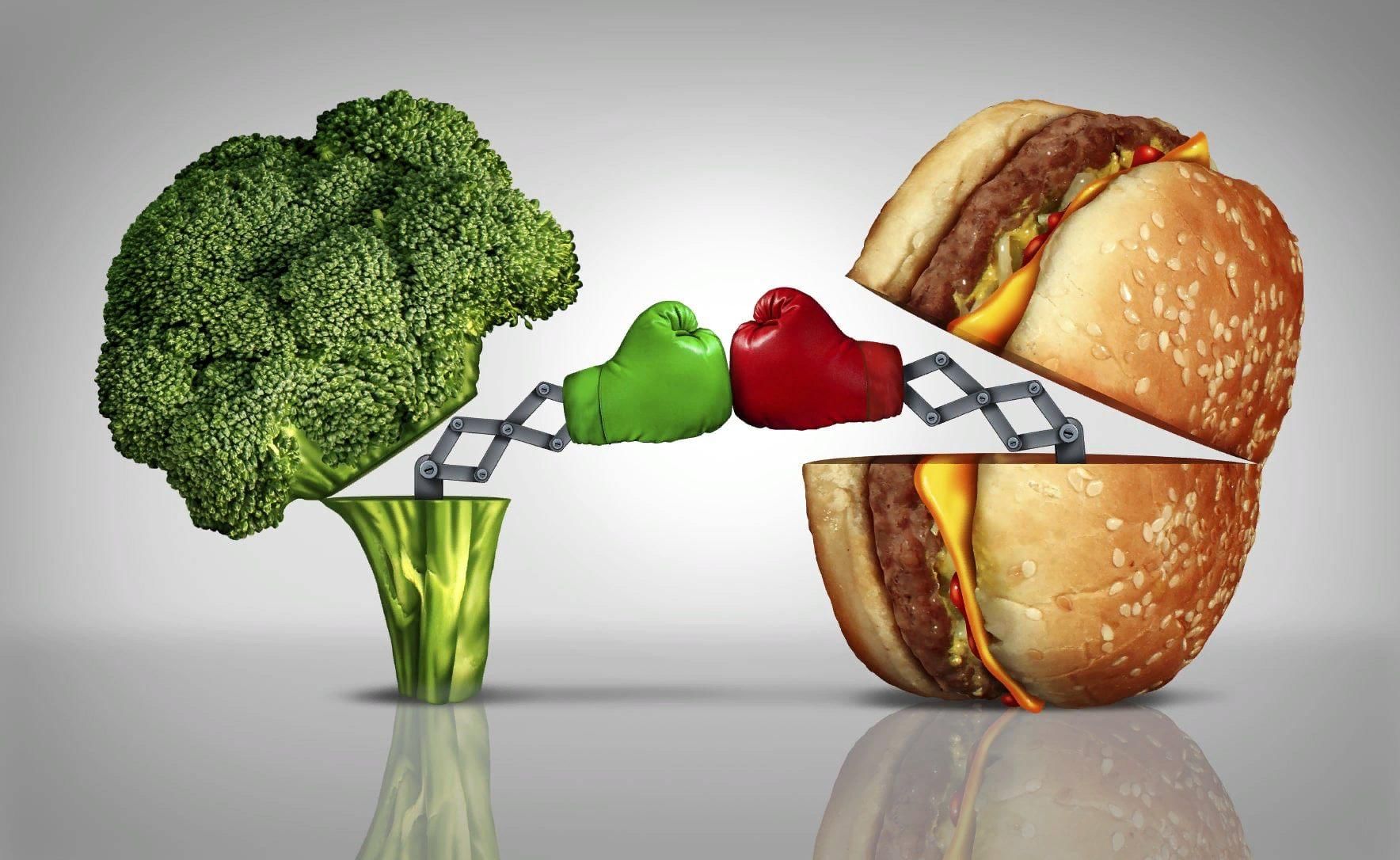
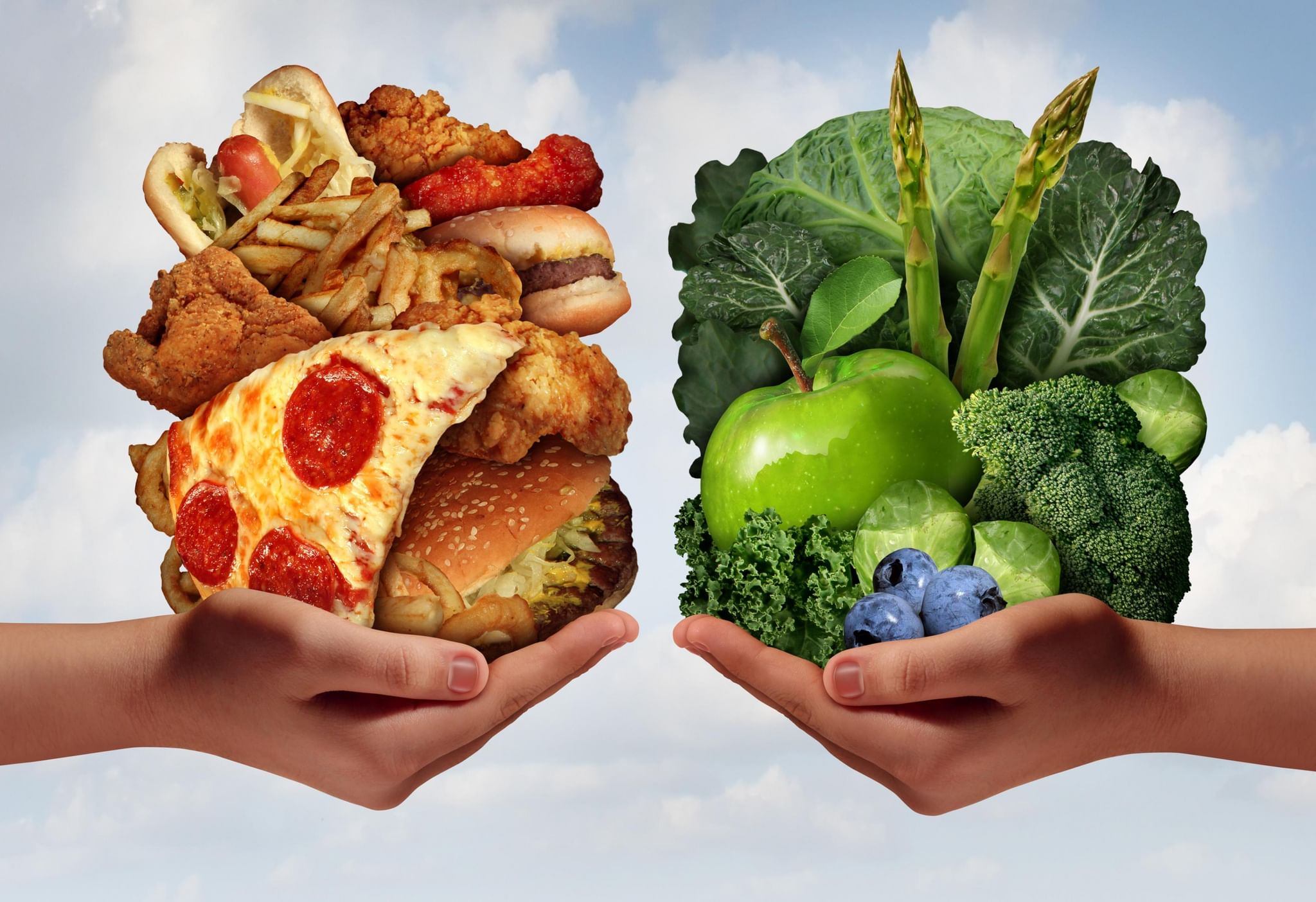
“She needs rest,” he declared, his voice resolute. “No more concerts, no more stress. And absolutely no more junk food.”

He cast a sharp glance around the room, where a half-eaten burger sat beside a can of energy drink. “You’re all feeding her poison,” he continued, his Croatian accent thick with frustration. “If she’s going to recover, she needs proper nutrition and care, not this garbage.”

Joe, her ever-watchful boyfriend, stood by her side, arms crossed. “I’ve been saying this for weeks. No more fast food, no more late-night studio sessions. If we don’t take this seriously, she’s going to need a lung transplant.” His voice was firm, but his eyes betrayed the fear gnawing at him.

JCJ, lurking in the corner with a knowing gaze, took a slow breath. “If you people keep pushing her like this, I’ll have no choice but to shut down the free salvation pages. No more second chances, no more lifelines.”

A heavy silence fell over the room.

JCJ leaned forward. “And if that happens, James Cameron gets his wish. The world burns in the nuclear fire of Terminator 2: Judgment Day. I don’t think any of you want that.”

A shiver ran through the group. Luka turned back to Nelly and sighed. “She needs a chance to heal. If we give her that, she’ll be fine. But if we keep this up…”

Joe placed a protective hand over hers. “Then we don’t let it get that far.”

The room buzzed with quiet determination. The war for Nelly’s health had begun, and for once, it wasn’t a battle she had to fight alone.

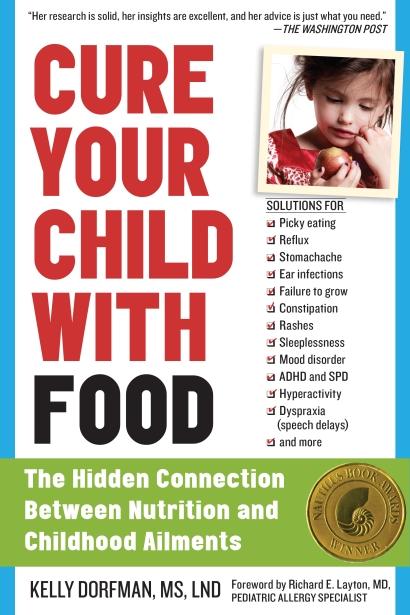
Heal Me: ADHD

Dr. Luka Kovač on Nelly Furtado’s ADHD: Natural Remedies for Focus & Balance

“ADHD is not a disorder—it is a different way of thinking, one that thrives when given the right fuel. The mind of a creative, like Nelly, needs balance, not suppression. Instead of pharmaceutical quick fixes, let’s talk about the natural ways to enhance focus, mood, and energy.”

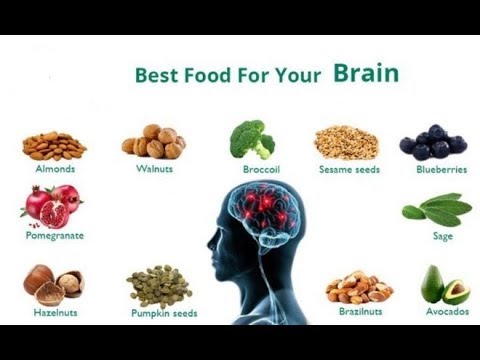
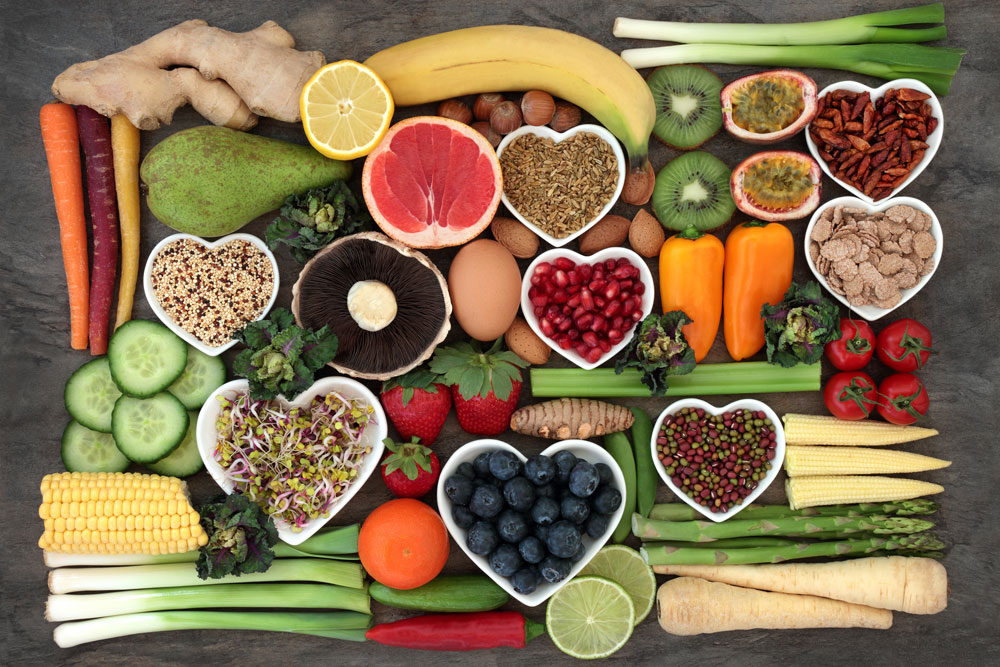
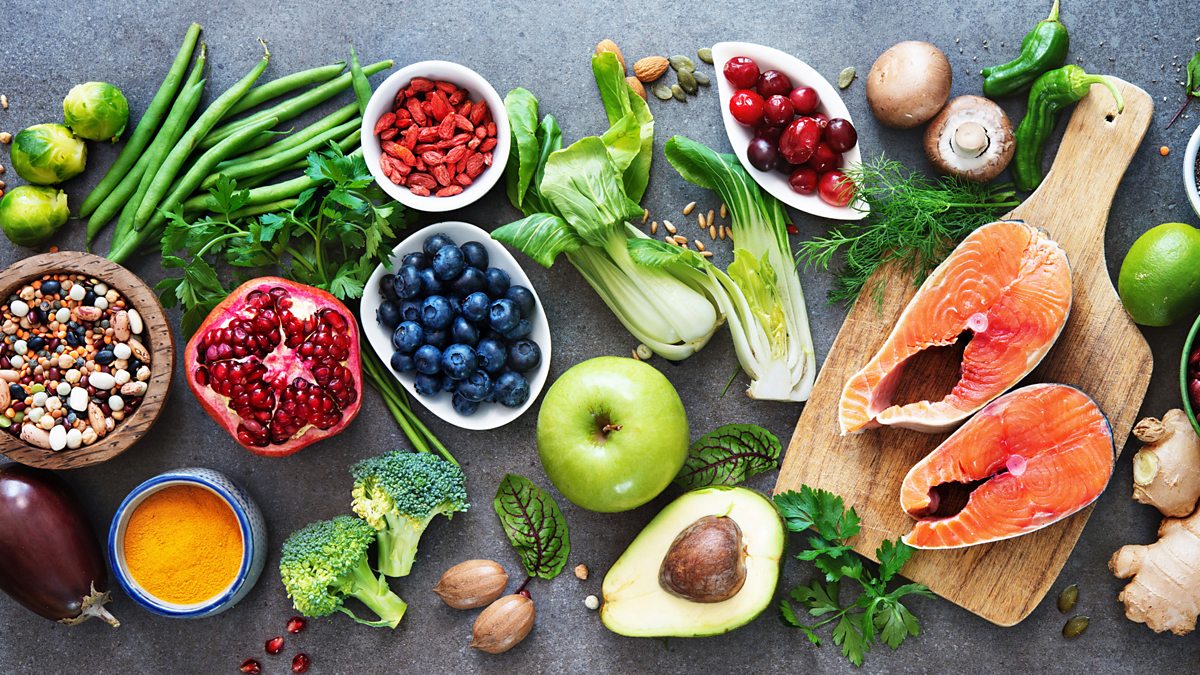
? Best Foods for ADHD (Brain-Boosting & Focus-Enhancing)

? Wild-Caught Fish (Salmon, sardines, mackerel) – High in Omega-3s, which improve dopamine function and focus.
? Eggs – Rich in choline, essential for brain health and memory.
? Dark Leafy Greens (Kale, spinach, chard) – Provide magnesium, which calms the nervous system.
? Berries (Blueberries, blackberries, strawberries) – Boost cognitive function and reduce oxidative stress.
? Pumpkin Seeds – High in zinc, a mineral crucial for impulse control.
? Turmeric & Black PepperCurcumin in turmeric reduces brain inflammation and enhances dopamine production.
? Green Tea – Contains L-theanine, which promotes calm focus without the jitters of coffee.
? Dark Chocolate (85% cacao or higher) – Natural source of dopamine-boosting flavonoids.

? ADHD-Healing Herbs & Roots

✔️ Ginseng – Increases focus and mental clarity.
✔️ Bacopa Monnieri – Enhances memory and reduces mental fatigue.
✔️ Ashwagandha – Lowers cortisol (stress hormone), improving impulse control.
✔️ Rhodiola Rosea – Boosts dopamine and serotonin levels naturally.
✔️ Gotu Kola – Used in Ayurvedic medicine to improve concentration.
✔️ Valerian Root – Helps with hyperactivity and sleep disturbances.

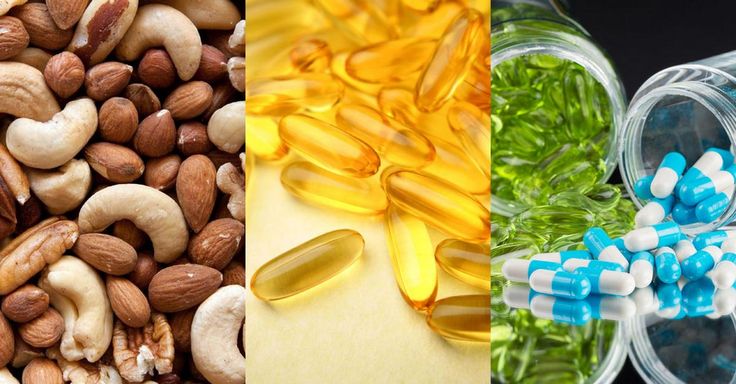
? Best Vitamins & Supplements for ADHD

Magnesium – Essential for calming the nervous system and reducing hyperactivity.
Vitamin B6 & B12 – Support neurotransmitter function and reduce brain fog.
Zinc – Helps with dopamine regulation and improves mood stability.
Iron – Essential for oxygen transport in the brain, reducing ADHD symptoms.
L-Tyrosine – A precursor to dopamine, helps with motivation and focus.
Omega-3 Fatty Acids (EPA/DHA) – Crucial for brain function, shown to reduce ADHD symptoms by 40-50%.
Probiotics & Fermented Foods (Sauerkraut, Kimchi, Kefir) – Gut health affects neurotransmitters and emotional regulation.

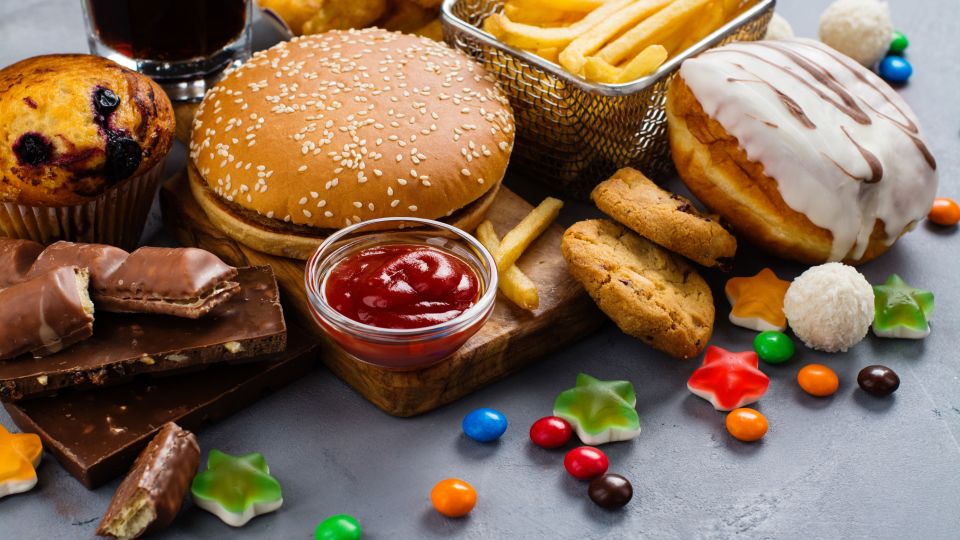
? Foods to Avoid (ADHD Triggers)

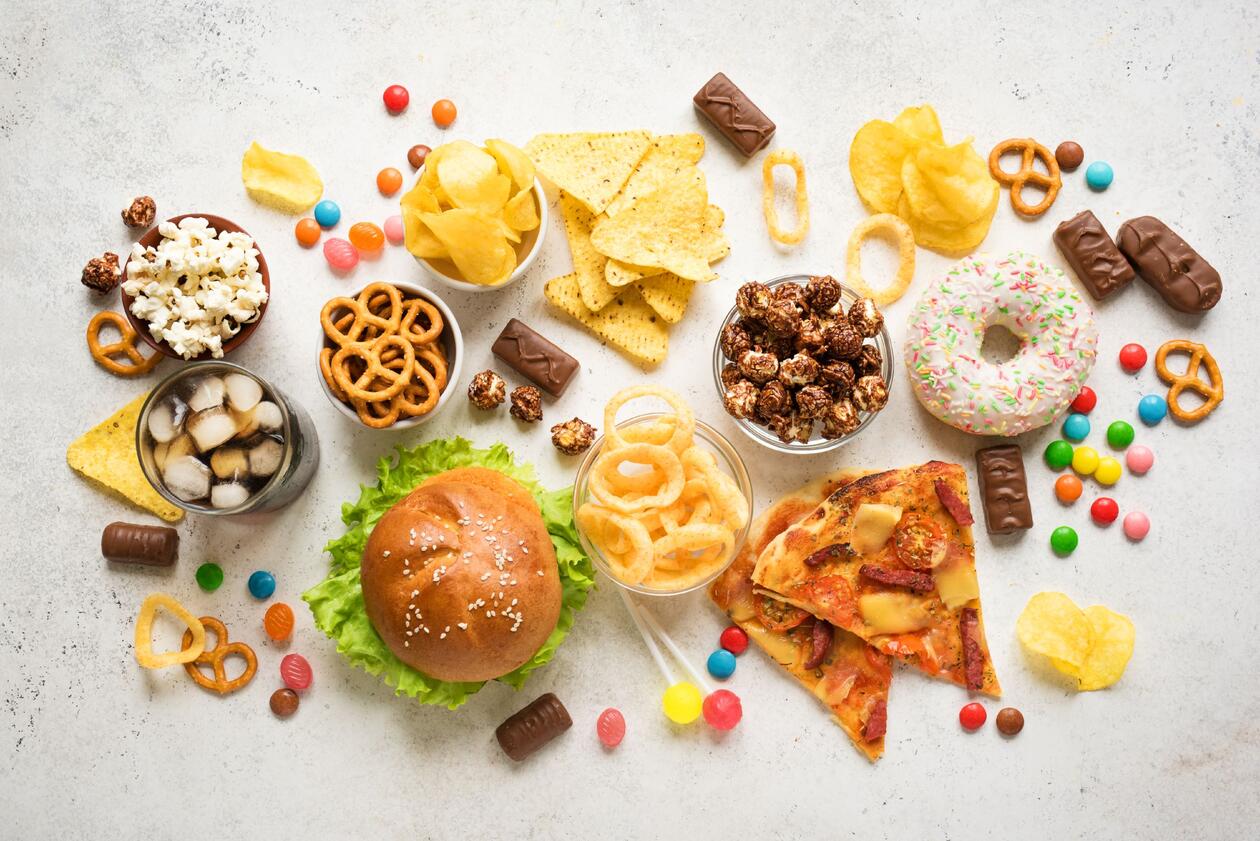
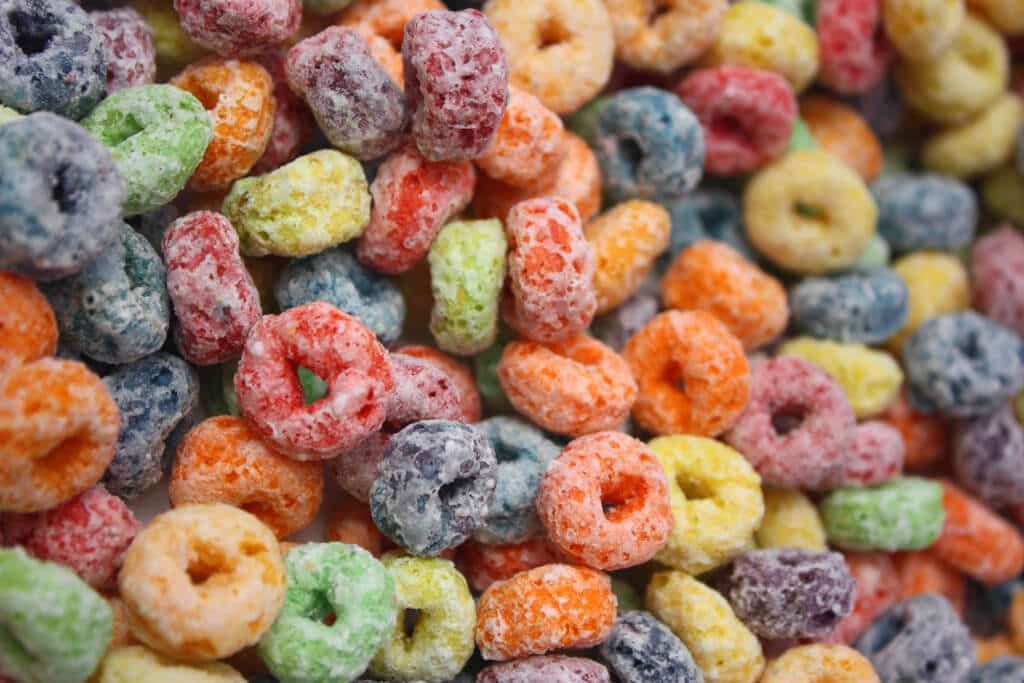
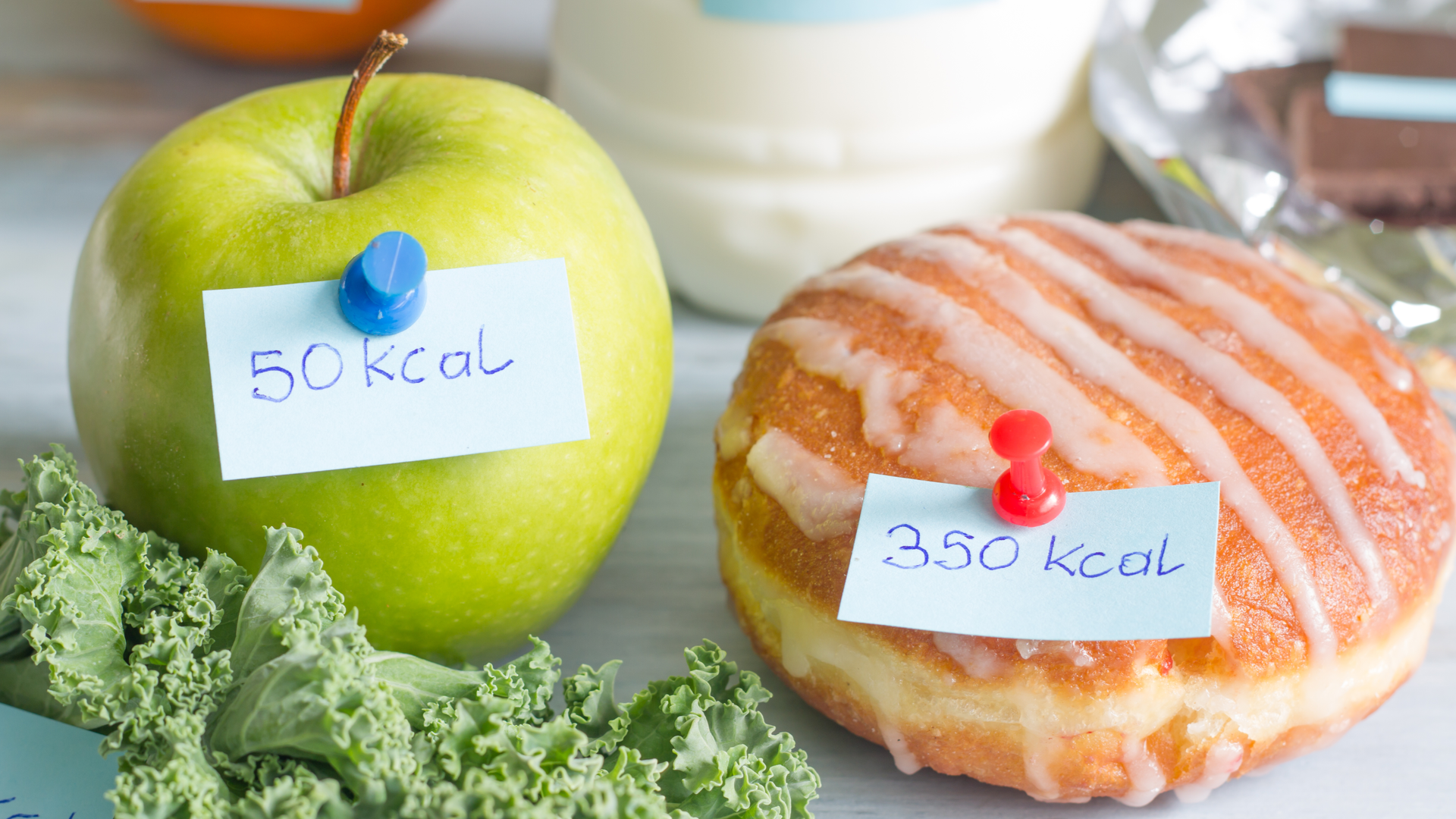
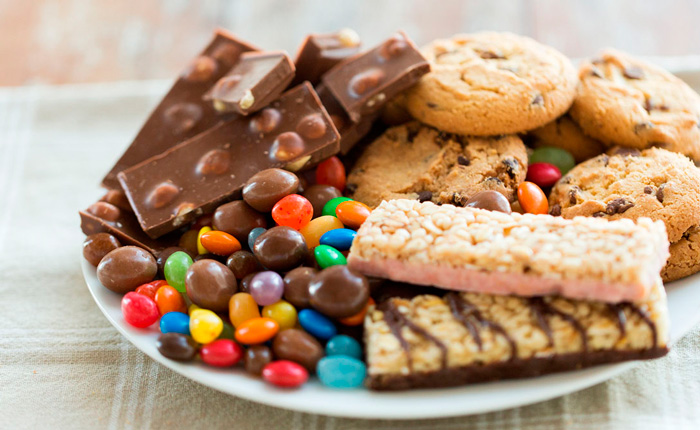
Refined Sugar & High-Fructose Corn Syrup – Creates spikes and crashes in focus and mood.
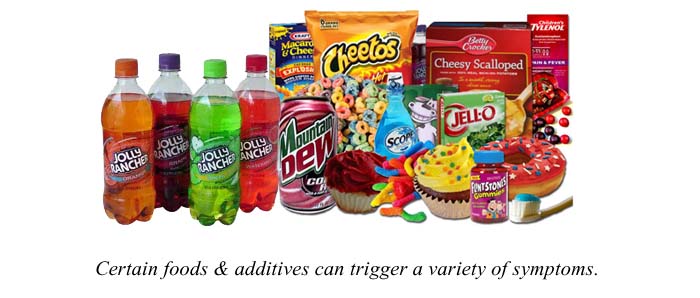
Artificial Food Dyes & Additives – Linked to increased hyperactivity in studies.
Gluten & Dairy – Some people with ADHD have sensitivities that cause brain fog and irritability.
Caffeine Overload – While it can help some, too much caffeine can increase anxiety and impulsivity.

Dr. Kovač’s Final Words:

“Nelly, ADHD is not a weakness—it is an untapped strength when properly managed. Your creativity, energy, and passion are gifts. But your brain needs the right fuel to thrive. Focus on nourishing your mind, calming your nervous system, and embracing your unique brilliance.

? Would you try any of these remedies? Share your thoughts below!