Balancing Cortisol Levels

INT. HOSPITAL EXAM ROOM – DAY
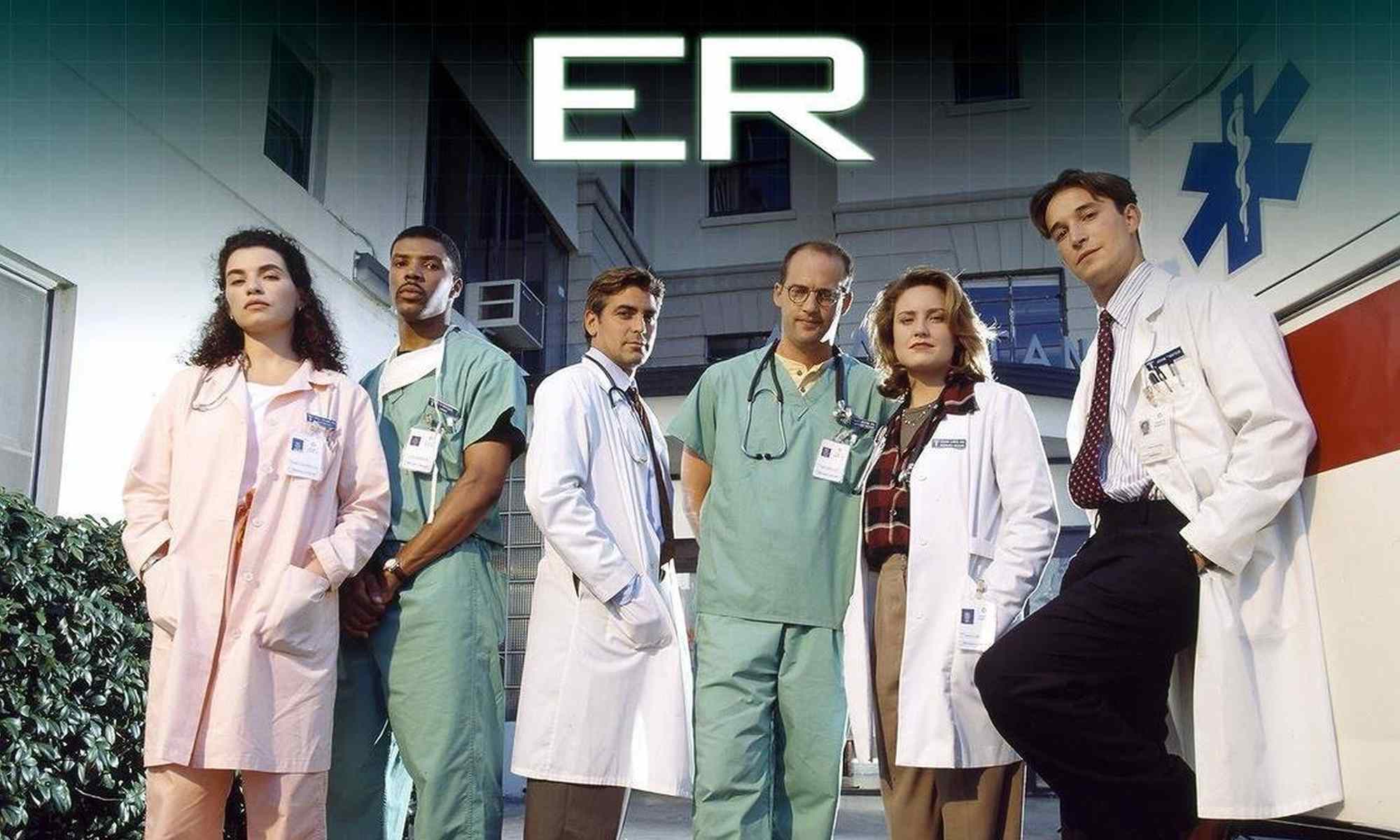
Amy Schumer sits on the exam table, looking both frustrated and hopeful. Dr. Luka Kovač enters, holding a tablet with her test results. His calm demeanor instantly puts her at ease.

DR. KOVAČ
Amy, your test results confirm it’s Cushing’s syndrome. The good news is, we can manage this.

AMY SCHUMER
(sighing)
Thank God. I was starting to think I was just crazy. So, what’s the plan?

DR. KOVAČ
First, we’ll address the root cause—whether it’s from a tumor, excessive corticosteroids, or another issue. But lifestyle changes and natural support can make a big difference, too.

AMY SCHUMER
(nodding)
I’m all ears. Tell me everything.

DR. KOVAČ
(pulling up a chair)
Let’s start with food. Your body needs support to balance cortisol levels and reduce inflammation.

Foods to Include

  1. Leafy Greens
    Spinach, kale, and arugula are rich in magnesium, which helps regulate cortisol.
  2. Fatty Fish
    Salmon, mackerel, and sardines provide omega-3s to combat inflammation.
  3. Berries
    Blueberries, strawberries, and raspberries are loaded with antioxidants.
  4. Avocados
    High in potassium and healthy fats to support adrenal health.
  5. Nuts and Seeds
    Almonds, walnuts, chia seeds, and flaxseeds for healthy fats and magnesium.
  6. Whole Grains
    Quinoa, brown rice, and oats help stabilize blood sugar levels.
  7. Herbs and Spices
    Turmeric, ginger, and cinnamon have anti-inflammatory properties.

DR. KOVAČ
Avoid processed foods, sugar, and excessive salt. They can worsen fluid retention and inflammation.

AMY SCHUMER
Got it. So, no more late-night ice cream binges?

DR. KOVAČ
(smiling)
Not if you want to feel better.

Vitamins and Supplements

  1. Vitamin D
    Helps regulate calcium levels and supports bone health, which can be affected by Cushing’s.
  2. Magnesium
    Reduces cortisol and improves sleep quality.
  3. Ashwagandha
    An adaptogen that helps balance cortisol levels.
  4. Vitamin C
    Supports adrenal function and boosts the immune system.
  5. Omega-3 Fatty Acids
    Fights inflammation and supports brain health.
  6. Probiotics
    Improves gut health, which is crucial for hormone regulation.
  7. Calcium and Vitamin K2
    Protects bone density, which can be compromised by high cortisol.

Lifestyle Changes

  • Stress Management
    Practice yoga, meditation, or deep breathing exercises.
  • Sleep Hygiene
    Aim for 7-8 hours of quality sleep each night.
  • Exercise
    Focus on low-impact activities like walking, swimming, or yoga to avoid overtaxing your body.

AMY SCHUMER
This all sounds doable. What about medicine?

DR. KOVAČ
We’ll start you on ketoconazole or metyrapone to lower cortisol production. If needed, we’ll consider surgical options or radiation, depending on the cause.

AMY SCHUMER
(pausing, then smiling)
You know, I was expecting a lot of doom and gloom, but this actually feels… manageable.

DR. KOVAČ
(smiling back)
That’s the goal. Small, consistent steps will get you there. And Amy, remember—this is a partnership. You’re not alone in this.

Amy nods, a spark of determination lighting her eyes. Luka stands, offering her a reassuring hand.

AMY SCHUMER
Thanks, Doc. I’ll try to remember all this.

DR. KOVAČ
And if you forget, I’ll remind you.

As she leaves the room, Amy feels a newfound sense of hope, armed with the tools to take control of her health.

Christian Socialism

TITLE: The Tenets of Sharing


INT. VATICAN – NIGHT

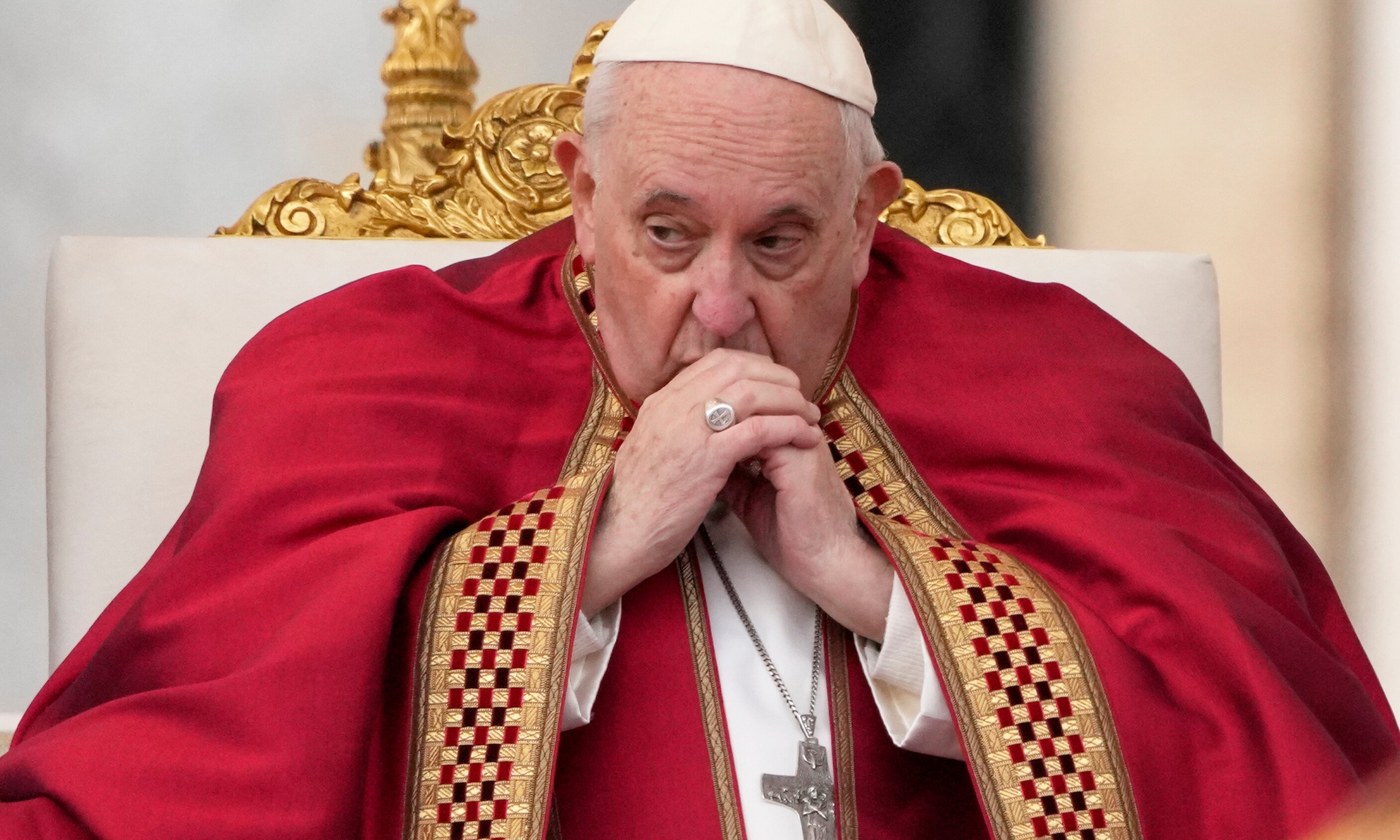
The grand hall of the Vatican is quiet, the stone walls echoing with a sense of history. Pope Pius XIII, dressed in his white robes, stands at a large wooden podium, addressing a small group of trusted advisors and leaders. His gaze is intense, his voice calm but commanding.

POPE PIUS XIII
(softly but firmly)
“Democracy is not simply a system of government. It is a moral imperative. And Christian socialism, the kind of socialism that bears the teachings of Christ, is not about taking away from the rich or punishing the powerful—it is about sharing. Sharing everything. Sharing the fruits of labor, the wealth of the land, and most importantly, sharing power.”

He pauses, letting the weight of his words sink in. His eyes scan the room, looking each advisor in the eye.

POPE PIUS XIII
“Jesus Himself taught us that to be great in the Kingdom of God, one must be the servant of all. What does that mean, if not to serve the people? To share power, not hoard it? To lift up those who are weak, poor, and oppressed, so that all may have an equal chance at the riches of life—whether they be material or spiritual.”

The advisors shift uncomfortably, some nodding in agreement, others skeptical. Pope Pius XIII’s tone grows more impassioned.

POPE PIUS XIII
“We have failed if we allow power to remain concentrated in the hands of the few. We have failed if the wealth of the world, the resources that God has provided, are hoarded by the privileged while the many suffer. It is not enough to give charity. Charity is not justice. Justice demands that we redistribute—not just wealth, but the very power that governs us.”

He steps away from the podium, walking slowly toward a large map of the world on the wall. His finger traces the continents, the countries, the boundaries.

POPE PIUS XIII
“We must create a world where power is not a tool for oppression, but a means of lifting others. Where the powerful do not rule over the weak, but share in the burden of governance. A world where the decisions made in the halls of power are not about maintaining the status quo, but about creating a society that is just, equitable, and loving.”

He turns back to the group, his eyes fierce, his voice steady.

POPE PIUS XIII
“This is the vision of democratic Christian socialism. It is not a utopia. It is a call to action. A call to share, to serve, to give. To ensure that all, no matter their station in life, have access to the blessings of this earth. And that power, the most dangerous and corrupting force, is shared equally among all.”

He pauses, letting the silence fill the room.

POPE PIUS XIII
“Do not let the world tell you that power is meant to be hoarded. Do not let the systems of wealth and privilege convince you that some are born to rule while others are born to serve. In the eyes of God, we are all His children, and we are all meant to share in the blessings He has given us.”

The advisors sit in stunned silence, some visibly moved, others deep in thought. Pope Pius XIII’s gaze softens, his voice quieter but no less resolute.

POPE PIUS XIII
“It is time for us to lead by example. To show the world that true power lies in service, in sharing, in love.”

He turns and walks toward the door, his robes flowing behind him. The room remains still, the weight of his words hanging in the air.


FADE OUT.

Oluja/Storm 91 – 99

“Dear brothers and sisters, today I speak not only as the shepherd of this Church but as a son of a land that has known the pain of war. I speak as a Croatian, born from a soil soaked in tears and resilience. And I speak as one who remembers.

The war in my homeland was not a distant conflict; it was the air we breathed, the ground we walked upon, the songs that were silenced. Operation Storm—Oluja, as we call it—was a turning point, a storm that swept through the land, bringing both liberation and loss. It was a moment of triumph for some, and a wound that remains unhealed for others.

War, my friends, is a crucible of the human soul. It reveals the depths of our brokenness, the ease with which we can turn against one another. But it also reveals the strength of the human spirit, the capacity to endure, to rebuild, to forgive. In the midst of devastation, I saw neighbors sharing their last loaf of bread, soldiers laying down their weapons to carry children to safety, prayers whispered in bomb shelters. These moments of grace remind us that even in the darkest night, the light of Christ shines.

But let us not romanticize war. Let us not glorify its violence or justify its destruction. As a Croatian, I know too well the cost of freedom. I know the names of the villages that no longer exist, the faces of the children who never grew up, the silence of the churches that once rang with hymns. These are the scars my homeland bears, and they are the scars I carry in my heart.

Yet, as a Christian, I also know the power of resurrection. The story of Croatia, like the story of our faith, is not one of despair but of hope. From the ruins of war, we have rebuilt homes and lives. From the ashes of division, we have begun to sow the seeds of reconciliation. This is the work of God’s Spirit, moving among us, calling us to be peacemakers, to be healers, to be builders of a new future.

The Gospel calls us to love our enemies, to pray for those who persecute us. This is not an easy command. It is not a command that erases the pain of the past or denies the reality of injustice. But it is a command that frees us from the cycle of hatred, that opens the door to a peace that is not of this world.

Today, I call on all nations, all peoples, to learn from the wounds of my homeland. Let us not repeat the mistakes of the past. Let us not allow pride, greed, or fear to lead us into conflict. Instead, let us be instruments of peace, guided by the love of Christ.

And to my fellow Croatians, wherever you may be, I say this: Remember the storm, but do not let it define you. Remember the pain, but do not let it consume you. Remember the loss, but do not let it rob you of hope. For we are a people of the resurrection, and our story is not over. The God who brought us through the storm will bring us to a place of peace.

May God bless Croatia, may God bless all nations, and may His peace reign in every heart.”

Riders on the Storm

The Young Pope’s Monologue:

“Brothers and sisters, let us speak of war—not as a distant shadow of history, but as a mirror reflecting the desires of men. In 1991, the world watched as the powerful descended upon the sands of Babylon. A coalition forged not by love, but by fear. They called it Desert Shield, a name that evokes protection, yet beneath its polished surface, it was a sword poised to strike.

George Herbert Walker Bush—history will call him a liberator. But I wonder, what does heaven call him? For in the guise of justice, he unleashed a storm upon a nation already burdened by its ancient sins and modern despots. Did he pray, I wonder, as the bombs fell like hailstones? Did he whisper the words of Psalm 91? ‘A thousand may fall at your side, ten thousand at your right hand, but it shall not come near you.’ Did he believe that he was the hand of God, striking down the wicked?

And yet, Psalm 92 follows. ‘The righteous shall flourish like a palm tree.’ But what of the unrighteous? What of those who covet the treasures of the earth—the oil, the black gold hidden beneath the cradle of civilization? The palm tree flourishes, but its roots drink deeply of the land. Did they see the oil not as a gift of creation, but as a prize to be claimed? Babylon, Iraq, a land of empires and exiles, became once more a battleground for ambition.

But here is the paradox, my friends: the rich oil they took cannot anoint them. It cannot consecrate their actions or cleanse their sins. It stains their hands and their hearts. Babylon has always been a lesson, a warning written in the ruins of ziggurats and the cries of the exiled. A kingdom built on pride, a tower reaching to heaven, and a people scattered by the weight of their arrogance.

So, I ask you, who are we in this story? Are we the righteous flourishing in the courts of the Lord? Or are we the architects of Babel, convinced of our invincibility, blind to the judgment that looms over us?

Pray for those who wield power, for they walk a narrow path. Pray for those who suffer, for they bear the weight of sins not their own. And pray for yourselves, that you may see the world not as men do, but as God does. For in the end, it is not shields or swords, nor oil or empires, that will endure. Only love remains. Only love.”

The Truth About Dr McDreamy

Eustace Mullins’ book Murder by Injection: The Story of the Medical Conspiracy Against America contains several controversial and provocative quotes that reflect his deeply critical view of the medical establishment. Below are some of his most iconic quotes about doctors and the healthcare system from the book:

  1. “The medical monopoly, or medical trust, euphemistically called the American Medical Association, is not merely the meanest monopoly known to history, it is the most ruthless and the most deadly.”
  2. “Modern medicine is a negation of health. It isn’t organized to serve human health, but only itself, as an institution. It makes more people sick than it heals.”
  3. “The doctor begins to make a diagnosis by naming the disease. Once he has named it, he begins to feel he understands it, although he has not yet begun to understand it.”
  4. “The medical profession is not a calling, it is a racket, a means of making money by exploiting human suffering.”
  5. “Doctors are trained to treat symptoms, not to find the cause of disease. The system rewards them for prescribing drugs and performing surgeries, not for preventing illness or promoting true health.”
  6. “The medical establishment is a cartel, not a benevolent institution. It thrives on the perpetuation of disease, not its eradication.”
  7. “The physician’s real business is to make money, and to this end, he must keep the patient coming back for more treatment, not to cure him.”
  8. “The Rockefeller influence transformed medicine into a business, where the goal is not to heal, but to profit.”

Mullins’ critiques have been both influential and polarizing, appealing to those skeptical of institutionalized medicine while being dismissed by many as conspiracy theory. His views reflect a deep distrust of the medical-industrial complex, emphasizing his belief that the system prioritizes profit over genuine care.

Dr. Luka Kovac: The System That Devours

Dr. Luka Kovac sat at his desk in the dimly lit office, his fingers tapping rhythmically on the worn surface. He had seen it all—patients who came to him with hope in their eyes, only to leave with their pockets emptied and their conditions unchanged. He leaned back in his chair, staring at the medical charts scattered in front of him, the weight of his thoughts pressing down on him like a suffocating cloud.

“How did we get here?” he muttered to himself, his voice low and tired. “How did we go from curing diseases to bankrupting people without giving them a single ounce of real help?”

Luka had been practicing medicine for over two decades, but the longer he worked, the more disillusioned he became. He had once believed in the power of medicine to heal, to save lives, to make a difference. But now, as he looked at the state of the healthcare system, all he saw was a machine designed to extract money, not to provide real cures.

He thought about the patient he had seen earlier that day—a middle-aged man who had been suffering from chronic pain for years. The man had tried every treatment Luka could offer, but nothing had worked. The man’s insurance company was barely covering the cost of the endless tests and treatments, and Luka knew that in the end, the man would leave his office with nothing but a stack of bills and a worsening condition.

“The system is broken,” Luka muttered, his voice thick with frustration. “We’re not curing anything. We’re just managing symptoms, draining people’s savings until they’re left with nothing.”

Luka thought back to the 1960s, when only about 6% of the population suffered from chronic, incurable diseases. He had studied the history of medicine, and in those days, doctors were able to make real progress. Diseases like tuberculosis and polio had been eradicated, and people had a sense of hope when they walked into a doctor’s office. But now, in the present day, things had changed. Chronic diseases were no longer the exception—they were the norm.

“Today, 60% of the population has chronic diseases,” Luka said, shaking his head. “And we’re not curing them. We’re just managing them, offering temporary fixes that don’t address the root cause. It’s all about the money. The more treatments we prescribe, the more tests we run, the more money the system makes.”

Luka leaned forward, his elbows resting on the desk, his hands clenched in frustration. “I hate this system,” he admitted, his voice raw with emotion. “I hate that we’re just prolonging suffering without offering any real solutions. I hate that I’m part of it. Sometimes, I’m tempted to just quit. Walk away from it all. But what would that solve?”

He looked out the window, his gaze distant as he pondered the state of the world. Medicine had once been a noble profession, a way to help people, to ease their pain. But now, it felt like a game—a game where the stakes were high, but the players were only interested in the bottom line.

“I try to help,” Luka said softly, almost to himself. “I try to give my patients something more than just a prescription or a diagnosis. But the system is bigger than me. It’s bigger than any of us.”

He paused, thinking about the countless patients he had seen over the years—people who had come to him in desperation, hoping for a cure, only to leave with nothing but a sense of defeat. Luka had tried his best to offer compassion, to listen, to offer whatever help he could. But the reality was, there were no simple solutions. The treatments were expensive, and the results were often minimal.

“I’m not sure what the answer is anymore,” Luka admitted, his voice tinged with bitterness. “Maybe there isn’t one. Maybe the system is too far gone to fix. But I can’t keep doing this forever. I can’t keep bankrupting my patients and watching them suffer. Maybe it’s time to step away.”

But even as he thought those words, Luka knew deep down that he couldn’t just quit. The world needed doctors, even if the system was broken. The patients needed someone to fight for them, even if it felt like an uphill battle.

For now, Luka Kovac would continue to practice medicine, knowing that the system was flawed, but also knowing that he couldn’t walk away. He would keep trying, even if it felt like the odds were stacked against him. Because, in the end, the only thing that mattered was the people who walked through his door, looking for help. And as long as there were people in need, Luka would be there, even if it meant fighting a system that seemed determined to devour them all.

Joe and the Caboose of Doom

The night was heavy with an unnatural stillness, the kind that presses down on the soul and whispers of hidden horrors. Joe stood at the edge of the rail yard on Boundary Road, his eyes fixed on the garish red-and-yellow caboose glowing faintly under the pale moonlight. He adjusted his weathered fedora, the leather of his jacket creaking as he shifted.

“This is where it leads,” he muttered, gripping the bullwhip coiled at his side. “The Masonic ladder… straight to darkness.”

For weeks, Joe had followed the cryptic trail left by the Freemasons—a series of symbols and clues that spoke of a secret too terrible to ignore. Children disappearing without a trace. Whispers of a demon and a mad clown. It all pointed here, to the caboose of doom.

Joe approached cautiously, his boots crunching on the frost-covered gravel. The air around the caboose felt thick, oppressive, as if the very fabric of reality warped in its presence. From within, faint sounds drifted out: laughter, high-pitched and unnatural, and the clinking of chains.

With a deep breath, Joe pushed open the caboose door.

The interior was a nightmare. Strings of flickering lights cast a sickly glow over the cramped space, illuminating rows of children in ragged clothes. They moved mechanically, their eyes vacant, as they worked on bizarre machines that hissed and whirred. At the center of it all stood Ronald McDonald, his painted face twisted into a grin that was anything but friendly.

“Welcome, adventurer,” Ronald said, spreading his arms theatrically. “I’ve been expecting you.”

Joe’s jaw tightened. “Let them go, Ronald. Whatever this is, it ends now.”

Ronald’s laughter filled the caboose, a chilling sound that seemed to come from everywhere at once. “You think you can stop me? These children are mine now, slaves to the darkness they were born into. The Masons knew what they were doing when they sent them here.”

Joe’s eyes narrowed. “You’re mad.”

“Mad?” Ronald’s grin widened. “I’m enlightened. Krampus showed me the truth, and now these children will serve a greater purpose.”

As if summoned by his words, Krampus emerged from the shadows at the far end of the caboose. The demon’s massive form filled the space, his glowing eyes locking onto Joe. “Leave now, mortal,” Krampus growled, his voice like thunder. “Or join them in servitude.”

Joe didn’t flinch. With a swift motion, he unfurled his whip and cracked it toward the machinery. Sparks flew as the whip wrapped around a key lever, and Joe yanked hard, sending gears and cogs crashing to the floor.

The children froze, their trance broken. They looked around in confusion, their eyes filling with fear and hope.

“Run!” Joe shouted.

The children bolted for the door, their small feet pounding against the floorboards. Ronald lunged to stop them, but Joe was faster. He swung his whip again, catching the clown’s arm and sending him sprawling.

Krampus roared in fury, charging at Joe with claws outstretched. Joe ducked and rolled, grabbing a loose chain from the floor and swinging it like a weapon. The chain wrapped around one of Krampus’s horns, and with all his strength, Joe pulled the demon off balance.

“You’re not taking anyone else!” Joe growled, his voice echoing with determination.

With a final heave, he sent Krampus crashing into the wall. The caboose shuddered, its walls groaning as if the structure itself was alive.

“Next time, Joe,” Ronald hissed, dragging himself to his feet. “You can’t stop the darkness forever.”

Joe didn’t reply. He was already herding the last of the children out the door. As they ran into the night, the caboose began to collapse, folding in on itself like a dying star.

By the time the sun rose, the rail yard was empty, save for the faint smell of grease and a single red balloon floating in the breeze.

Joe stood at the edge of the tracks, watching the horizon. The Masonic ladder had led to darkness, but he had pulled the children back from the brink.

For now, the nightmare was over. But Joe knew the fight wasn’t finished. Ronald and Krampus would return, and when they did, he’d be ready.

Divide and Rule in Yugoslavia”

Secret Speech to German Generals: “Divide and Rule in Yugoslavia”

Berlin, 1941

Gentlemen,

The Balkans have always been a powder keg, a region of chaos and division. It is precisely this chaos that we shall exploit to ensure our dominion. Yugoslavia, that artificial creation of Versailles, is a fragile mosaic of ethnic and religious tensions. It is ripe for division, and it is our task to ensure that it can never again unite as a force against the Reich.

Our policy is simple: Divide et Impera—divide and conquer. I have instructed our loyal servant, Ante Pavelić, to fan the flames of hatred between the Croats and the Serbs. His Ustaše will create a river of blood so deep and wide that reconciliation will become impossible for generations. Every massacre, every act of terror, will drive the wedge deeper. The Croats will see the Serbs as their eternal enemies, and the Serbs will return the hatred in kind.

The Serbian Black Hand, those Freemason conspirators who once plotted against the Austro-Hungarian crown, are a particular target. These traitors, with their secret oaths and shadowy alliances, are the root of much of the unrest in the region. I have ordered that every member of this vile brotherhood be rounded up and sent to concentration camps. They will wear the black triangle badge, marking them as enemies of the Reich and of order itself.

As for Italy, let them have the Dalmatian coast. Mussolini fancies himself a Caesar, and we shall humor him—for now. Let him believe he is gaining territory while Pavelić is mired in the Bosnian quagmire. The Ustaše’s brutality will ensure that Bosnia remains a cauldron of unrest, draining their resources and focus. Pavelić’s Croat state will serve as a buffer, a tool, and nothing more.

Now, to the broader vision. This conflict is not merely a war for territory or power—it is a war for the soul of Europe. Freemasonry, that internationalist and anti-nationalist scourge, must be eradicated. Our Anti-Masonic Exhibition in Belgrade will serve as a warning to all who would conspire against the natural order. It will expose their symbols, their rituals, and their lies for all to see. The people must understand that Freemasonry is not a harmless fraternity but a cancer that seeks to destroy nations and traditions.

But I dream of something greater, gentlemen. Beyond the destruction of our enemies lies the creation of a new order—a religion of the blood. This is not a religion of weakness and submission, but one of strength, purity, and destiny. In this new faith, I shall stand as its Pope, its high priest, guiding our people with the clarity of vision that only the German spirit can provide.

Our Reich is not merely a political state; it is a spiritual destiny. Revelation 20 speaks of a thousand-year reign, and we are the fulfillment of that prophecy. I am the German Messiah, chosen by Providence to lead our people into this new era. The Reich will stand as a beacon of strength and purity, uniting the Aryan race under one banner, one vision, one destiny.

Let the world tremble at our resolve. Let our enemies scatter before our might. The Balkans are but one piece of the puzzle, a step on the path to our ultimate victory. Together, we will build an empire that will last a thousand years.

Heil the Reich!

Healing Minds

“Healing Minds: Nelly and Joe’s Journey with Orthomolecular Health”

Nelly Furtado leaned over the counter in her sunlit kitchen, carefully measuring out powdered vitamin C into a glass of water. Across from her, Joe, a long-time family friend and health enthusiast, examined a bottle of niacin.

“I read about Dr. Abram Hoffer’s work,” Joe said, holding the bottle up to the light. “He believed that mental health could be transformed by nutrition—orthomolecular therapy, he called it. High doses of vitamins, amino acids, and minerals to balance the body and mind.”

Nelly nodded, stirring the vitamin C mixture. “It’s fascinating, isn’t it? The idea that something as simple as nutrients could help heal the mind. Especially in a world where so many rely solely on medication.”


A Personal Mission

Their shared interest wasn’t just academic. Both Nelly and Joe had seen loved ones struggle with mental health challenges. Joe’s brother had battled schizophrenia, and Nelly had watched friends and family grapple with anxiety and depression.

Dr. Abram Hoffer’s research had inspired them. His studies in the mid-20th century had shown that high doses of niacin, combined with other vitamins and a nutrient-rich diet, could help alleviate symptoms of schizophrenia and other mental illnesses.

“Niacin’s the star player,” Joe said, pouring a dose into a glass of water. “But you can’t forget the B-complex vitamins, omega-3s, and the minerals. It’s about the whole picture.”

“And no sugar,” Nelly added with a grin. “Dr. Hoffer was pretty clear about that.”


The Experiment

They decided to test the orthomolecular approach themselves, not as a cure-all but as a way to optimize their mental and physical health.

Each morning, they started with a regimen of vitamins:

  • Niacin to improve circulation and support brain function.
  • Vitamin C to reduce oxidative stress.
  • Magnesium to calm the nervous system.
  • Omega-3 fatty acids for brain health.

Joe also introduced adaptogenic herbs like ashwagandha and rhodiola to support stress resilience.

“Consistency is key,” Joe reminded Nelly as they logged their doses and noted any changes in mood, energy, or focus.


The Results

After a few weeks, they began to notice subtle but profound shifts.

“I feel…lighter,” Nelly said one afternoon. “Not just physically, but emotionally. It’s like my mind isn’t weighed down anymore.”

Joe nodded. “Same here. My focus is sharper, and I’ve been sleeping better. Even my anxiety feels more manageable.”

Encouraged, they began sharing their journey with others. Nelly used her platform to talk about the importance of nutrition for mental health, while Joe started a blog to document their experiences and share resources.


A Ripple Effect

Their efforts caught the attention of a local mental health clinic, which invited them to speak about orthomolecular therapy.

Standing before a room of clinicians and patients, Nelly shared her story. “This isn’t about replacing medication or traditional treatments,” she said. “It’s about complementing them—giving the body and mind the nutrients they need to heal.”

Joe added, “Dr. Hoffer believed in treating the whole person, not just the symptoms. And that’s what this approach is about—restoring balance.”


A Shared Vision

As they left the clinic, Nelly turned to Joe. “Do you think Dr. Hoffer ever imagined his work would inspire people like us?”

Joe smiled. “Maybe. But I think he’d be more excited about how many lives it’s still touching.”

Together, they walked into the evening, their hearts full of hope. They knew the journey was just beginning, but they were ready to share the light they’d found—one person, one story, one nutrient at a time.

Back to the Garden:

Back to the Garden: PM Nelly Furtado’s Universal Health Care Revolution

Canada had long been proud of its universal health care system, a legacy of Tommy Douglas, the prairie preacher turned politician who envisioned a nation where no one would suffer for lack of care. But over the decades, the dream had soured. The system, once a beacon of hope, was now burdened by bureaucracy, underfunding, and the influence of pharmaceutical giants.

Tommy Douglas had imagined a system rooted in prevention, community care, and holistic well-being. Instead, it had become a reactive machine, treating symptoms with expensive drugs while ignoring the root causes of illness. Behind the scenes, the Rockefeller-backed shift to petroleum-based medicine had steered health care away from natural, food-based remedies. The American Medical Association (AMA) and the Food and Drug Administration (FDA) had exported their model of profit-driven care to Canada, betraying the original vision.

It was into this fractured landscape that Prime Minister Nelly Furtado stepped, guitar slung over one shoulder and a binder of bold reforms in the other.


The Diagnosis

Nelly began her campaign for health care reform by traveling across the country, listening to Canadians. She met farmers struggling to sell their organic produce, elders lamenting the loss of traditional remedies, and doctors frustrated by a system that forced them to prescribe pills instead of promoting wellness.

“Health care isn’t just about hospitals and drugs,” Nelly said at a town hall in Saskatoon, Tommy Douglas’s hometown. “It’s about how we live, what we eat, and how we care for each other. We’ve forgotten that food is medicine, and it’s time to remember.”

Her words resonated. Canadians were tired of seeing their health care system propped up by multinational pharmaceutical companies that prioritized profits over people. They were ready for something new—or rather, something old.


The Plan: Food as Medicine

Nelly’s “Road to Healing” Plan was revolutionary, but deeply rooted in history and tradition.

  1. Food as Medicine Clinics: Every province would establish community-run clinics where nutritionists, naturopaths, and traditional healers worked alongside doctors. These clinics would prescribe fresh produce, herbs, and lifestyle changes before resorting to pharmaceuticals.
  2. National Organic Farming Initiative: Farmers would receive subsidies to transition to organic, glyphosate-free agriculture. Local food production would be prioritized, ensuring that every Canadian had access to fresh, affordable produce.
  3. Education for Healing: Schools would incorporate nutrition and natural medicine into their curriculums, teaching children how to grow, cook, and use food to maintain health.
  4. Pharmaceutical Accountability: A windfall tax on pharmaceutical companies would fund the transition to holistic health care. Drug advertising would be heavily restricted, redirecting focus to wellness rather than dependency.
  5. Traditional Medicine Recognition: Indigenous healing practices, alongside immigrant and cultural remedies, would be integrated into the health care system, honoring Canada’s diverse heritage.

The Resistance

The backlash was swift. The pharmaceutical industry launched a massive PR campaign, warning Canadians that Nelly’s plan would lead to chaos. “Unscientific!” they cried. “Dangerous!” they claimed.

But Nelly was ready. She countered with data showing the skyrocketing rates of chronic illnesses linked to poor diets and environmental toxins. She shared stories of communities that had healed themselves through food and natural remedies.

Most importantly, she invoked Tommy Douglas.

“Tommy didn’t fight for this system so that corporations could profit while Canadians got sicker,” she said in a fiery speech to Parliament. “He fought for a system that cared for people, that prevented illness, that healed. This isn’t a betrayal of his vision—it’s a return to it.”


The Healing Begins

The first Food as Medicine Clinic opened in Nova Scotia, where fishermen and farmers worked together to supply fresh, local food to patients. Families learned how to cook nutrient-dense meals, and chronic conditions like diabetes and hypertension began to decline.

In British Columbia, Indigenous elders taught workshops on traditional plant medicine, sharing knowledge that had been suppressed for generations.

In Saskatchewan, the heartland of Tommy Douglas’s vision, farmers celebrated the return of government support for organic farming. Fields once doused in chemicals now teemed with life—carrots, kale, herbs, and berries that nourished the land and the people.


A New Vision for Health

Three years into her term, Nelly Furtado stood before a packed crowd in Ottawa. Behind her, a banner read: “Healing Canada, One Meal at a Time.”

“We’ve spent decades treating our bodies like machines, fixing parts when they break,” she said. “But we are not machines. We are living, breathing beings connected to the earth, to our communities, to our food. When we heal those connections, we heal ourselves.”

The crowd erupted in cheers. Across the country, Canadians were healthier, happier, and more connected to the land. The pharmaceutical lobby had lost its grip, and the health care system was no longer a reactive machine—it was a proactive force for wellness.

Tommy Douglas’s dream had been restored, not just as a system of universal care, but as a system of universal healing. And under Nelly Furtado’s leadership, Canada was once again a beacon of hope for the world.